Starting a Wine Collection Without the Pretension — What Actually Matters
Building and managing a wine collection has gotten complicated with all the investment advice, cellar design magazines, and sommelier-level storage recommendations flying around.
My first serious wine purchase was a case of 2015 Willamette Valley Pinot Noir that I stored in my kitchen pantry for six months. When I finally opened a bottle, it tasted flat and tired — cooked by the heat cycling from the oven on the other side of the wall. Twelve bottles, about $300, essentially ruined because I did not understand the single most important rule of wine storage: temperature consistency matters more than anything else. Don’t make my mistake of buying good wine and then storing it badly.

Storage Fundamentals — The Non-Negotiable Rules
Temperature consistency. This is the most critical factor, full stop. Ideal cellar temperature ranges from 50 to 59 degrees Fahrenheit. More important than hitting a specific number is avoiding fluctuations. Temperature swings cause wine to expand and contract, potentially pushing the cork and allowing oxidation. Aim for maximum variation of 5 degrees throughout the year. My kitchen pantry was swinging 25 degrees between summer and winter. That is how you cook wine slowly over months.
Humidity. Maintain between 60 and 70 percent to keep corks properly hydrated. Dry conditions cause corks to shrink and crack, allowing air into bottles. Excessive humidity promotes mold growth and damages labels — which matters if you ever want to sell or gift bottles. A $10 hygrometer from Amazon tells you everything you need to know.
Light protection. UV rays degrade wine over time. Store bottles in dark conditions. This is why wine bottles traditionally come in dark glass — green for most wines, brown for some regions. Clear glass offers less protection and is typically reserved for wines meant for immediate consumption.
Vibration. Keep bottles away from machinery, heavy traffic areas, and appliances. My first wine fridge sat next to the washing machine. Every spin cycle was basically shaking my Bordeaux. Moved it to the basement and the problem solved itself.
Bottle position. Store cork-closure bottles horizontally to keep the cork moist. Screw-cap wines can be stored upright without issue. I’m apparently the kind of collector who has strong opinions about this, and the opinion is: horizontal racks are worth the space.
Storage Options for Every Budget
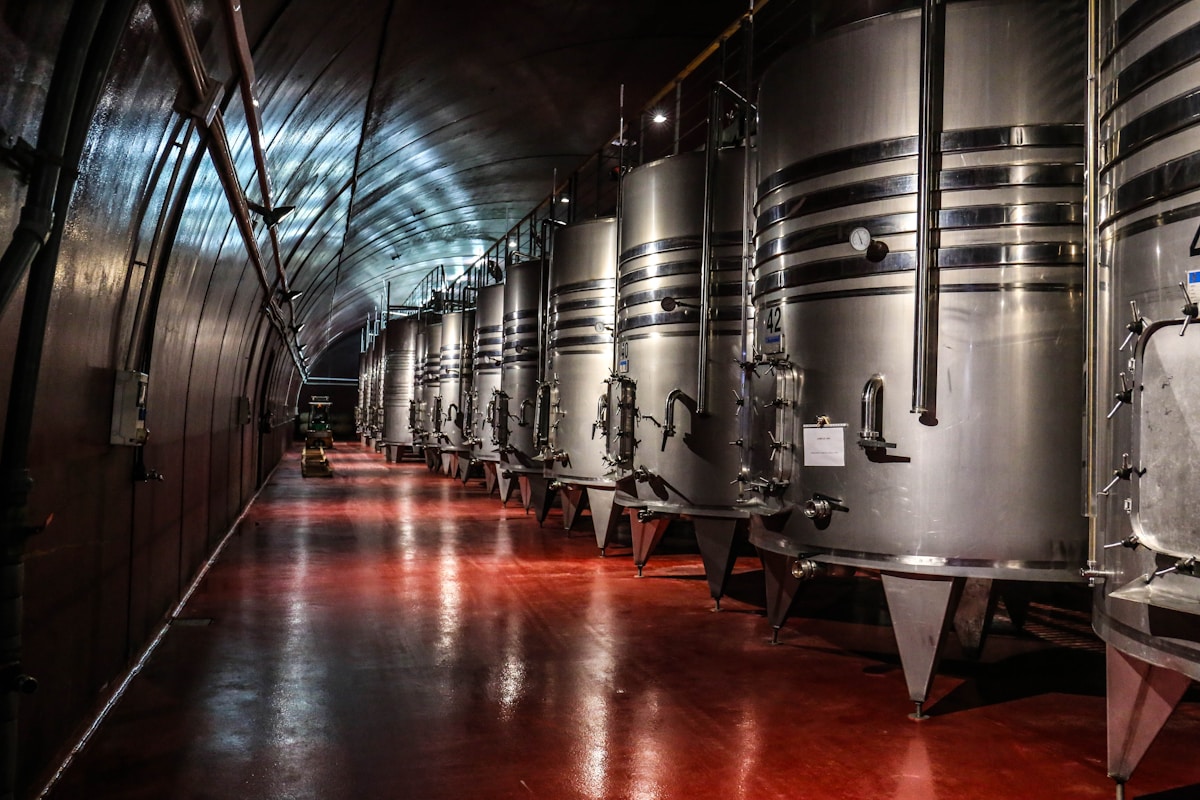
You do not need a dedicated cellar to store wine properly.
Wine refrigerators — $200 and up. Purpose-built wine fridges maintain consistent temperature and humidity. Entry-level units hold 20 to 30 bottles. Premium models offer dual zones for red and white wines at different temperatures. I started with a Kalamera 24-bottle unit that cost $220 and served me well for three years before I outgrew it.
Cool, dark closets — free. Interior closets away from heat sources work surprisingly well for short-term storage of one to two years. Monitor temperature throughout the year to ensure stability. This is where I started, and it is a perfectly legitimate option for a small collection.
Basement cellars — variable cost. Basements often provide naturally cool, stable temperatures. Even without climate control, underground spaces maintain more consistent conditions than above-ground rooms. My current basement stays between 55 and 62 degrees year-round with no active cooling. Adding insulation and a cooling unit is the next step if you get serious.
Off-site storage — $15 to $50 per case per month. Commercial wine storage facilities offer professional-grade conditions for collectors without home cellar space. This makes sense for high-value bottles or if you live in a climate where home storage is genuinely difficult.
Building the Collection — What to Actually Buy
A well-planned collection balances drinking wines for near-term enjoyment with age-worthy bottles for long-term cellaring. The biggest mistake I see new collectors make is buying exclusively for aging and never having anything ready to drink.
Plan your collection around multiple drinking windows:
- Ready now: Wines for tonight or this month — about 30 percent of your collection
- Short-term, two to five years: Wines that need a little time but reward patience
- Medium-term, five to ten years: Structured wines approaching their peak
- Long-term, ten or more years: The bottles you are saving for something special
Include variety to match different occasions: everyday weeknight wines, food-friendly bottles for dinner parties, a few special occasion wines, and enough regional diversity to keep things interesting. I keep a running inventory in CellarTracker — free to use, and it tracks drinking windows, purchase prices, and community tasting notes. Worth setting up from the beginning rather than trying to retroactively catalog 150 bottles.
Where to Buy — Provenance Matters
Buy wine from sources that ensure proper handling. A retailer with temperature-controlled storage and good turnover is safer than a discount store where bottles sit in a warm warehouse for months.
Pre-arrival offers let you purchase wines before release at favorable prices — this is how I buy most of my Willamette Valley Pinot Noir now, at 10 to 15 percent below retail. Mailing lists from small producers give you access to allocated wines that sell out before they reach retail shelves. Auction houses are the secondary market for mature wines, but provenance — storage history — matters enormously. A 20-year-old Burgundy stored perfectly is a treasure. The same wine stored in someone’s attic is expensive vinegar.
When to Open — The Hardest Part of Collecting
Knowing when to drink your wines prevents both opening them too young and missing their peak. Some general guidelines that have served me well:
- Most whites: One to five years, with exceptions for top Burgundy and German Riesling
- Light reds: Two to five years
- Medium reds: Five to ten years
- Full-bodied reds: Ten to twenty or more years for top examples
- Dessert wines: Can age decades — some of the best bottles I have ever tasted were 30-year-old Sauternes
Watch for signs a wine may be declining: cork pushing up from the bottle neck, leakage around the cork, unexpected color changes, or off odors on opening. When in doubt, open the bottle. Wine exists to be enjoyed, and the greatest waste is a bottle that sits in your cellar until it is past its prime because you were saving it for an occasion that never came. I have a rule now: if I think about opening a bottle twice, I open it the third time.

Stay in the loop
Get the latest winemaker's friend updates delivered to your inbox.