Why Color Change Matters and When to Worry
Homemade wine troubleshooting has gotten complicated with all the conflicting advice flying around. As someone who’s ruined more than a few batches before finally figuring it out, I learned everything there is to know about wine browning the hard way. Today, I will share it all with you.
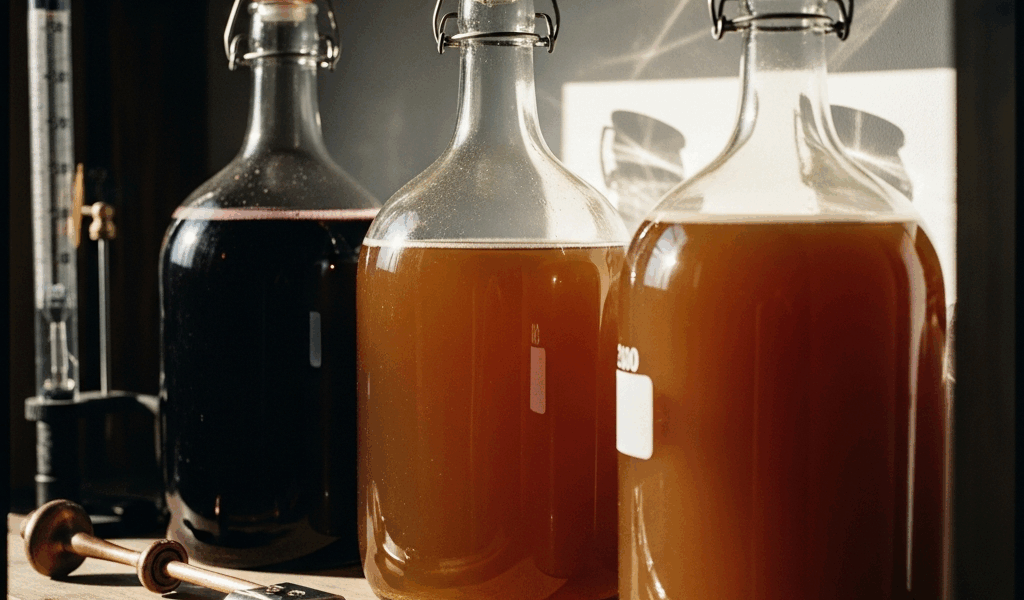
I still remember staring into a 6-gallon carboy at what was supposed to be a bold Cabernet and seeing something that looked like weak tea. Panic set in immediately. But here’s the thing — not all browning means your batch is dead.
Light browning in white wines during aging? Completely normal. Your Chardonnay or Riesling darkening slightly over several months is just oxidative development. Commercial producers deal with this constantly. But brown coloring showing up in a red during active fermentation, or sudden browning in a white you’ve been carefully monitoring? That’s when you move fast.
The distinction matters because the fix depends entirely on what went wrong. Oxidation, heat damage, and metal contamination each leave different fingerprints. Misdiagnose it and you’ll waste time applying the wrong solution while your batch keeps deteriorating.
Oxidation — The Most Common Culprit
Oxidation accounts for roughly 70% of the browning complaints I hear from fellow home winemakers. It happens when wine sits exposed to oxygen — during careless racking, a loose airlock, or when you forget to top off a vessel and leave too much headspace sitting there.
Probably should have opened with this section, honestly. Most panicked messages I get come from people who’ve oxidized their wine but caught it within a week or two. There’s still hope at that stage.
Smell the wine first. Does it smell flat, like it’s completely lost its personality? Or does it smell vaguely nutty, almost sherry-like — even though it’s only been fermenting two weeks? That’s oxidation talking. You’ll also notice the browning typically starts at the surface and creeps downward over several days.
Your first move: potassium metabisulfite. For a 5-gallon batch, dissolve 1/4 teaspoon in a small cup of water, then stir it in thoroughly. This binds the oxygen molecules and stops further damage. Campden tablets work too — one tablet per gallon, crushed and dissolved in water before adding. I keep both in my winemaking cabinet at all times.
Next, rack your wine immediately into a clean, sanitized carboy. Fill it completely to the neck. No headspace — none. Top off with similar wine or juice. Even water works if that’s all you have. You’re preventing new oxygen from entering, not improving flavor right now.
Check your airlocks while you’re at it. I made this mistake with a batch of Cab back in 2019 — left a carboy with a completely dry airlock for three weeks straight. Lost nearly half the batch to browning before I even noticed. Don’t make my mistake.
Store the carboy somewhere cool and dark, ideally between 50–65°F, then wait two weeks. A properly treated oxidized wine will often brighten again. Color hasn’t improved after two weeks? You’re probably dealing with something else.
Heat Damage — When Temperature Ruins Everything
Fermenting in a warm garage? An attic during July? You’re playing with fire. Heat spikes above 75°F — especially sustained over several days — essentially cook the wine’s delicate compounds and cause browning that doesn’t reverse.
But what is heat damage, exactly? In essence, it’s thermal degradation of the volatile aromatic compounds in your wine. But it’s much more than that — it fundamentally alters the proteins and sugars in ways that no fining agent can fully undo.
The smell test is definitive here. Heat-damaged wine smells cooked, jammy, stewed. Less like wine and more like overripe fruit preserves. That’s the opposite of the flat, dull smell oxidation leaves behind. The browning from heat also tends to develop evenly throughout the batch, not just at the surface.
I’ll be straight with you — heat damage usually isn’t fully reversible. You can’t undo cooked wine the way you can stop active oxidation. That said, all isn’t lost if you caught it early.
Move the carboy to a cool space immediately. A basement, a wine fridge, even a cool corner of your home. Cooling stops the ongoing damage. Then decide honestly: is the wine still drinkable? Sometimes heat-stressed batches taste okay, just different. Darker, jammier, less complex. Some winemakers blend these with fresher batches to balance things out — it’s a legitimate option.
Fining agents like Super-Kleer KC or Chitosan might help a little with appearance. They won’t restore what was lost, but they beat dumping the whole batch. That’s what I did with my 2018 Syrah. Blended about 40% of it into a newer batch and honestly? It worked out fine.
Prevention beats cure here, full stop. A basic wine fridge — you can find used models for $100–$200 on Facebook Marketplace regularly — is the single best investment in home fermentation quality you can make.
Metal Contamination From Equipment
Frustrated by persistent browning that no treatment would fix, a home winemaker I knew eventually traced the problem back to a galvanized metal bucket she’d been using from her garage shelf. She had to rebuild her entire setup from scratch using food-grade equipment. That was an expensive lesson.
Iron and copper leaching into wine create a specific brownish or grayish haze. Old copper fittings, galvanized metal buckets, certain antique equipment — all of these introduce metal ions that oxidize and discolor your wine. Less common than oxidation, but devastating when it happens, because the contamination is continuous as long as the wine stays in contact with the metal source.
Safe equipment: stainless steel, food-grade plastic (check labels explicitly), borosilicate glass, oak barrels. Unsafe: galvanized metal, unlined copper, brass fittings that aren’t properly plated, anything from a hardware store not explicitly rated for food contact.
If you suspect metal contamination, stop using that equipment immediately. Full stop. Then reach for bentonite or a specialized fining agent like Sparkolloid, which is designed specifically to bind and remove metal haze. Sparkolloid comes as a powder — dissolve it in hot water, cool it down, then stir it into your wine. It settles as fine sediment and takes metal particles with it. Rack away from that sediment after two weeks.
Check every single piece of equipment your wine has touched. The hose. The racking cane. The carboy cap. Any of these can be a contamination source. Replace anything questionable with food-grade alternatives — the $15–$30 replacement cost is nothing compared to losing a batch.
How to Test Which Problem You Have
So, without further ado, let’s dive in to the actual diagnostic process. Run through these steps in order.
Smell the wine first. Flat and dull? Oxidation. Cooked and jammy? Heat damage. Smells mostly normal but just looks wrong? Possibly metal contamination.
- When did browning start? During fermentation, right after racking, or weeks into storage? Oxidation typically shows up after contact events — racking, topping off, moving vessels. Heat damage appears during active fermentation in warm conditions. Metal contamination develops gradually and persistently.
- Review your temperature records or your honest memory. Was it warm during fermentation — above 75°F for more than a day or two? That’s your answer right there.
- Inspect every piece of equipment the wine touched. Any rust, unusual discoloration, or unknown metal components? Start there.
- Did browning appear at the surface first, then spread downward? Oxidation. Did it appear evenly throughout the entire batch at once? Heat damage or metal contamination.
Once you’ve narrowed it down, apply the specific fix. Early oxidation? Metabisulfite and top off immediately. Heat damage? Cool it now and manage your expectations realistically. Metal contamination? Remove the source and fine aggressively with Sparkolloid or bentonite.
That’s what makes home winemaking endearing to us hobbyists — every ruined batch actually teaches you something a YouTube video never could. Most early-stage browning caught within two to three weeks is recoverable. Act now, act decisively, and your next batch will be measurably better because of this one.


Stay in the loop
Get the latest winemaker's friend updates delivered to your inbox.