
Natural wine continues gaining momentum in restaurants and retail shops worldwide. The movement emphasizing minimal intervention winemaking has moved from niche to mainstream.
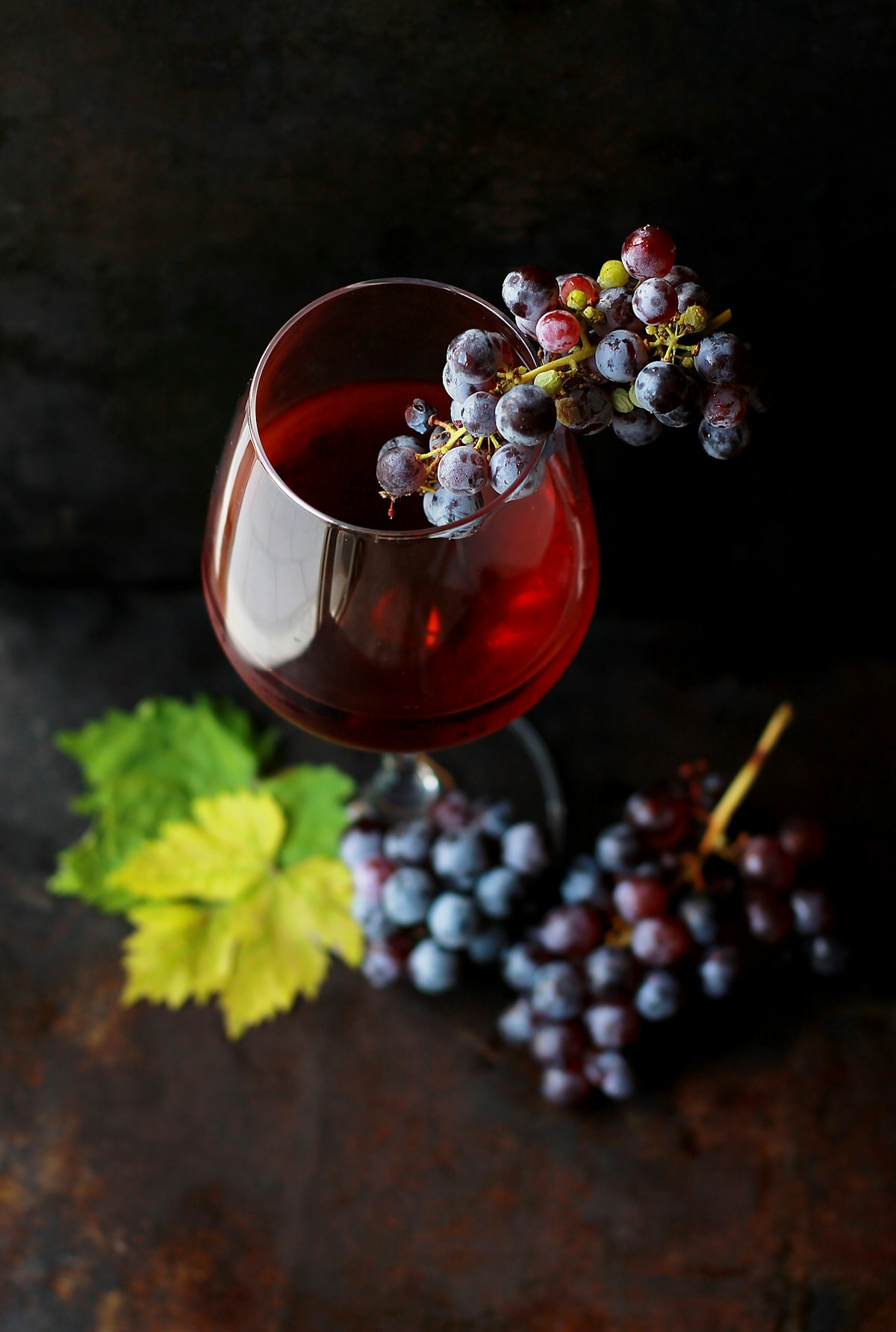
What exactly defines natural wine? Generally, producers use organic or biodynamic grapes and avoid synthetic additions during winemaking. Many ferment with indigenous yeasts rather than commercial strains.
Key Characteristics
Natural wines often display different profiles than conventional wines:
- Cloudier appearance from lack of filtration
- More funky, earthy aromatics
- Higher acidity in many examples
- Sometimes slight effervescence
Finding Quality Natural Wine
Not all natural wines deliver quality experiences. Look for reputable producers and retailers who curate selections carefully. Expect to encounter some bottles you love and others that don’t appeal—that’s part of the exploration.
Popular natural wine regions include Loire Valley, Jura, and parts of Italy and Spain. Many American producers have also embraced the philosophy.
Storage Considerations
Because natural wines contain fewer preservatives, proper storage matters even more. Keep bottles cold and consume within their intended windows. Some natural wines are best enjoyed young.
The natural wine movement reflects broader consumer interest in transparency and sustainability in food and drink production.

Stay in the loop
Get the latest winemaker's friend updates delivered to your inbox.