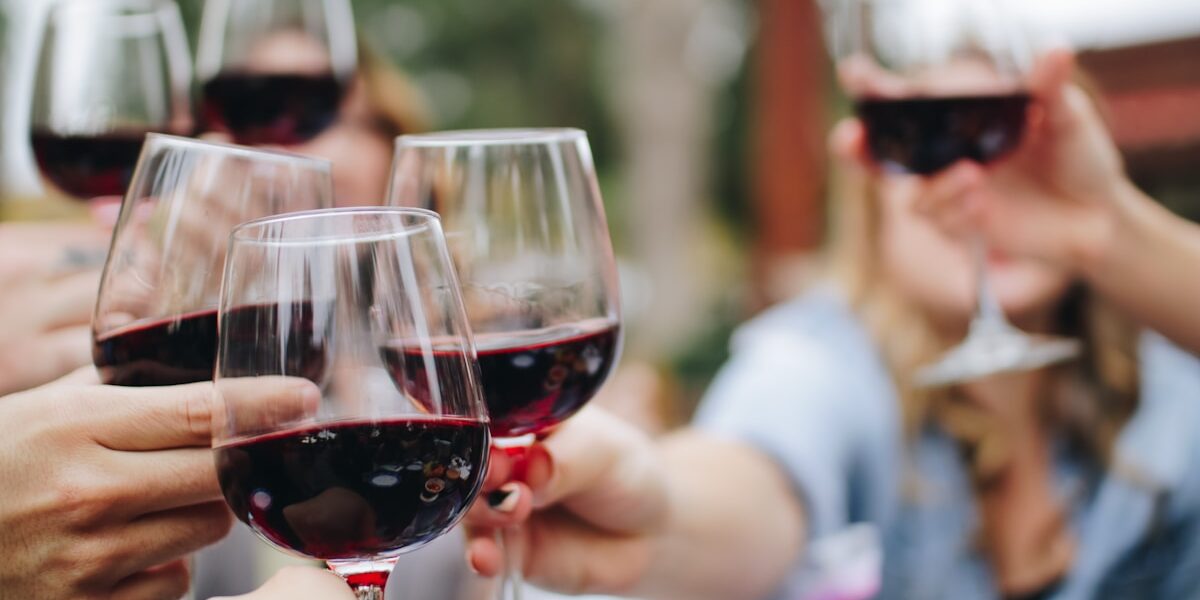
Wine tasting techniques has gotten complicated with all the certification programs and influencer content flying around.
I spent a long time thinking wine tasting was something that happened to other people — sommeliers, critics, serious collectors. The vocabulary seemed impenetrable and the judgment required seemed impossibly subjective. Then a friend suggested I stop trying to identify wine correctly and just start noticing it carefully. That reframing changed everything. You don’t need to be right about a wine; you need to be honest about what you’re experiencing. The systematic approach is just a framework for paying attention.
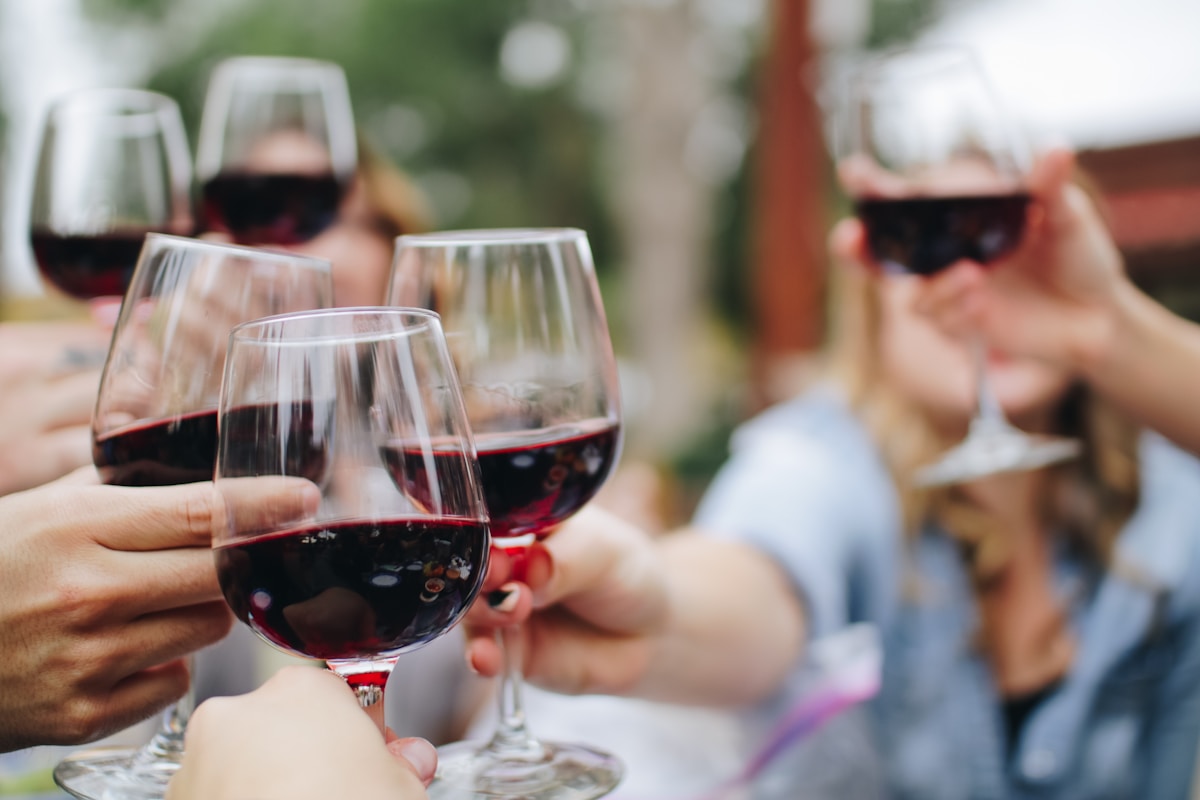
The Five S’s: A Framework, Not a Test
Professional tasters use a sequence called the Five S’s — See, Swirl, Sniff, Sip, Savor — and it’s genuinely useful once you internalize it as a process rather than a checklist. Each step gives you information the others don’t.
See
Hold your glass against a white background and tilt it at 45 degrees. You’re looking at color, clarity, and viscosity. Young red wines are purple or ruby; as they age, the color shifts toward brick and brown, particularly at the rim. White wines range from almost colorless (young, cool-climate Riesling) to deep gold (aged or oaked Chardonnay). The viscosity you see as “legs” running down the inside of the glass tells you something about alcohol content and glycerol — more glycerol, which comes from ripe grapes, means slower, thicker legs.
What I actually look for in the color: cloudiness indicates problems (usually bacterial or protein instability) in wines that should be clear. A brick-red rim on what you thought was a young wine tells you it’s actually older than the label suggested. Color intensity in red wines often correlates with grape variety — Pinot Noir is translucent, Syrah is almost opaque.
Swirl
Swirling introduces oxygen and releases volatile aromatic compounds. Keep the glass on the table and rotate it in a circle; you get more control and less spillage than swirling in the air. A few confident circles is enough — you don’t need to centrifuge it.
Sniff
Bring the glass to your nose immediately after swirling and take multiple short sniffs rather than one sustained inhalation. Short sniffs give your olfactory receptors time to reset between impressions. First impressions matter most; your brain adapts quickly to repeated stimuli and starts filtering things out.
The three aroma categories professionals use are primary (grape-derived — fruit, flowers, herbs), secondary (fermentation-derived — bread dough, butter, yeast), and tertiary (age-derived — vanilla from oak, tobacco, leather, dried fruit, petrol). Identifying which category your impressions fall into helps you understand how the wine was made and how it’s developed. But honestly, in the early stages, “this smells like cherries and something earthy” is more useful than trying to categorize perfectly.
Sip
Take a moderate sip and let it coat your whole mouth. Draw in a small stream of air to volatilize the aromatic compounds and send them up the retronasal passage — this is what serious tasters do when they make that slurping sound, and it genuinely does intensify flavor perception. Notice the weight of the wine (is it light and watery, or thick and viscous?), the acidity (does your mouth water?), the tannins if it’s a red (do you feel dryness and grip?), and any sweetness or bitterness.
The elements to pay attention to: acidity creates freshness and makes you salivate — high-acid wines feel lively; low-acid wines can feel flat or flabby. Tannins create that drying, sometimes astringent sensation on the gums and cheeks. Body is the wine’s weight — compare it to water versus whole milk. Sweetness is the presence of residual sugar (not all wines have it). Alcohol shows as warmth in the back of the throat, especially on the finish.
Savor
After swallowing, note the finish — how long the flavors persist, what they taste like, and whether new flavors emerge. A long, complex finish that evolves over 30–60 seconds is a marker of quality. A short, simple finish that disappears immediately suggests a simpler wine. What the finish tastes like matters too: bitter, drying tannins on the finish are less desirable than a smooth, integrated finish with fruit and mineral notes.
Building Vocabulary Over Time
The words for wine come from reference points, not memorization. If a Sauvignon Blanc smells like the bag of limes in your grocery store, that’s your reference point — you can call it “lime” and you’ll be accurately describing what you’re smelling. The connection between smell, memory, and language is personal. Professional tasters have the same smells available to them that you do; they’ve just built a larger catalog of conscious associations.
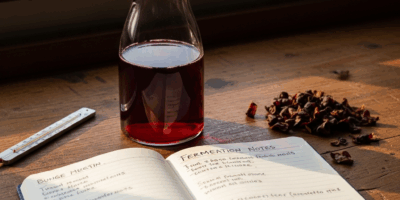
Keeping a simple tasting journal — just the wine, the date, and three things you noticed — accelerates this process significantly. Within six months of doing this consistently, the vocabulary expands almost automatically.
Practical Setup for Tasting at Home
Temperature is the most important variable most home tasters ignore. Light reds at 55–60°F, full-bodied reds at 60–65°F. A refrigerator runs at 38°F, so pulling a red out 30–45 minutes before serving (or putting it in the fridge for 20 minutes if your house is very warm) makes a real difference. White wines from the refrigerator at 38°F are too cold — most benefit from 10–15 minutes on the counter before serving.
For glassware: a clear, unadorned tulip-shaped glass that narrows toward the rim concentrates aromas and works for most wines. Rinsing glasses with water before use removes any dishwasher detergent or storage odors that would interfere with what you’re smelling.
Avoid strongly scented environments, candles, or perfume during serious tasting. Strong ambient smells compete with what you’re trying to detect in the glass.
The Most Common Mistakes
Rushing is the main one. First impressions can be deceiving; give a wine 10–15 minutes to open up before making final judgments. Letting context bias your assessment is another — people consistently rate the same wine higher when they’re told it’s more expensive. If you can taste wines blind (labels hidden), your impressions will be more honest. And probably should have mentioned this earlier: not all wine deserves deep analysis. Sometimes just drinking and enjoying something without taking notes is the right approach.
Sparkling, White, Red, and Dessert Wines
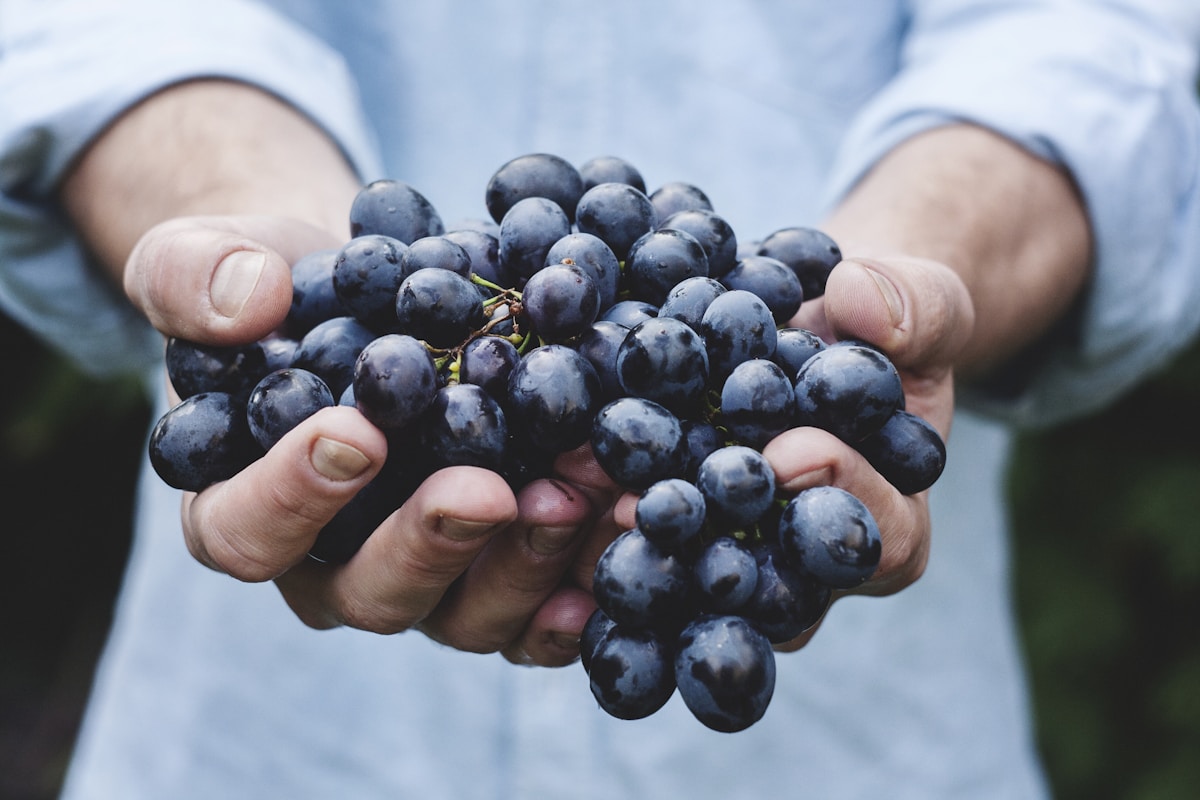
Each category has its particular characteristics to notice. For sparkling wines, bubble size and persistence matter — fine, continuous streams of small bubbles indicate quality. For whites, the balance between aromatics and acidity is the central question. For reds, tannin structure and how it integrates with the fruit tells you most of what you need to know about the wine’s quality and potential. For dessert wines, the balance between sweetness and acidity is what separates great examples from cloying ones — the best never taste heavy because the acidity keeps them lively.


Stay in the loop
Get the latest winemaker's friend updates delivered to your inbox.