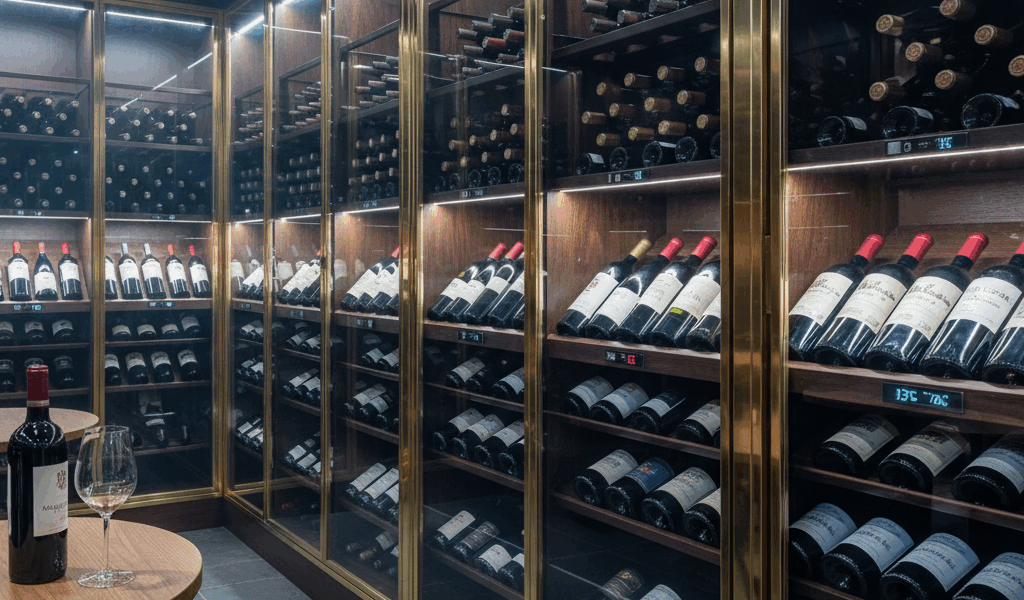
Collecting and storing wine properly requires knowledge, planning, and attention to conditions that many enthusiasts underestimate until it is too late and valuable bottles have been compromised.
Why Storage Conditions Matter
Wine is a living product that continues evolving after bottling. Chemical reactions occur slowly over time, developing complexity in quality wines while degrading poorly stored ones. Temperature, humidity, light, and vibration all influence these reactions. Understanding each factor helps you create an environment where wines can age gracefully.
Heat is the most damaging factor. Temperatures above 70 degrees Fahrenheit accelerate chemical reactions, causing wines to age prematurely and develop cooked or stewed characters. Brief exposure to high temperatures may cause no lasting harm, but prolonged storage in warm conditions will ruin even the finest wines.
Cold temperatures are less immediately destructive but present risks. Wine expands when frozen, potentially pushing corks out or cracking bottles. Very cold storage slows aging so dramatically that wines may never develop intended complexity. Most collectors aim for 55 degrees Fahrenheit as an ideal compromise.
Temperature Stability Matters as Much as Temperature Itself
Fluctuating temperatures may cause more damage than consistently warm storage. As wine expands and contracts with temperature changes, it effectively breathes through the cork, potentially introducing oxygen and causing oxidation. Seasonal swings are less damaging than daily fluctuations, but minimizing any temperature variation is important.
If you cannot maintain constant cool temperatures, choosing a storage location with naturally stable temperatures helps. Basements in older homes often maintain relatively consistent temperatures year-round. Interior closets away from exterior walls experience less temperature swing than rooms with windows.
Humidity Considerations
Proper humidity keeps corks from drying out. Dried corks shrink and allow air to seep into bottles, accelerating oxidation. Conversely, excessive humidity promotes mold growth that can damage labels and potentially compromise corks from the outside.
The ideal humidity range falls between 60 and 80 percent. If your storage area is too dry, placing a bowl of water or a damp towel nearby can help. For dedicated wine rooms, humidification systems maintain precise levels. Screw cap wines are immune to humidity concerns, an advantage that has contributed to their growing popularity among serious wine drinkers.
Light Exposure Degrades Wine
Ultraviolet light triggers chemical reactions that create unpleasant aromas often described as lightstrike. This is why most wine bottles are tinted rather than clear. Even with tinted glass, prolonged light exposure causes degradation. Store wines in darkness or low light conditions whenever possible.
Fluorescent lights produce more ultraviolet radiation than incandescent or LED alternatives. If you display wines, choose lighting carefully and limit exposure duration. Some collectors keep display bottles separate from drinking stocks, accepting that displayed wines may suffer while preserving their actual collections.
Vibration and Movement
Heavy vibration can disturb sediment and may accelerate aging reactions, though scientific evidence on this point remains limited. Practically, storing wines away from major appliances like washing machines or HVAC units makes sense. Constant small vibrations from motors or traffic are more concerning than occasional movement when accessing bottles.
Some believe that simply moving wines disturbs them enough to require rest before opening. While this may be overstated, allowing recently transported wines to settle for a few days before drinking is reasonable practice, especially for older wines with significant sediment.
Storage Position Matters
Traditional advice holds that wines with corks should be stored horizontally to keep corks moist. This remains valid, though some research suggests slight angles may work equally well. The key is ensuring cork contact with wine for any extended storage period.
Short-term storage of a few weeks may not require horizontal positioning, but why take chances with valuable bottles? Horizontal storage also uses space more efficiently in most configurations.
Building a Collection Strategically
Thoughtful collectors consider their drinking timeline when acquiring wines. Buying wines that require decades of aging makes little sense if you plan to consume them within years. Conversely, stocking only ready-to-drink wines means missing the pleasure of watching wines evolve over time.
A balanced cellar includes wines at various stages of development. Some bottles should be ready now for immediate enjoyment. Others should be approaching their peak over the next few years. And some should be long-term holdings that will reward patience with extraordinary complexity.
Track what you buy, what you drink, and what you enjoy. Many collectors discover patterns in their preferences over time. Perhaps you consistently prefer younger Burgundy but older Barossa Shiraz. Maybe your taste runs toward cooler climate expressions regardless of variety. Understanding your preferences guides smarter acquisitions.
Inventory Management
As collections grow, tracking becomes essential. Searching through hundreds of bottles looking for something specific wastes time and may damage wines through unnecessary handling. Simple spreadsheets work for small collections. Dedicated cellar management software or apps provide better functionality as numbers increase.
Record basic information for every bottle including producer, wine name, vintage, region, purchase date, price, and location in your storage area. Add tasting notes when you open bottles. Over time, this database becomes invaluable for understanding your cellar and your evolving preferences.
Regular inventory audits catch problems early. Wines may be mislabeled in your records. Storage conditions may change without notice. Corks may fail prematurely on specific bottles. Checking your collection periodically keeps you aware of its actual state rather than your assumptions about it.
Insurance and Documentation
Valuable wine collections warrant insurance consideration. Standard homeowner policies may cover wine up to certain limits but often exclude breakage or spoilage. Specialized wine insurance offers broader protection but requires documentation of value.
Maintain records of purchase prices, ideally with receipts. For wines received as gifts or inherited, establish reasonable value estimates based on current market pricing. Photograph labels of valuable bottles. Some insurers require professional appraisals for collections above certain thresholds.
The Joy of a Well-Curated Cellar
A thoughtfully assembled wine collection provides pleasures beyond mere drinking. Opening bottles acquired years earlier connects you to your past self and the occasions that prompted original purchases. Sharing aged wines with friends creates memorable experiences impossible to replicate with recently released wines.
Start wherever you are with whatever storage you can manage. Improve conditions as resources allow. Learn from every bottle opened. Over time, you will develop expertise in both what you enjoy and how to maintain it properly until you are ready to drink it.

Stay in the loop
Get the latest wildlife research and conservation news delivered to your inbox.