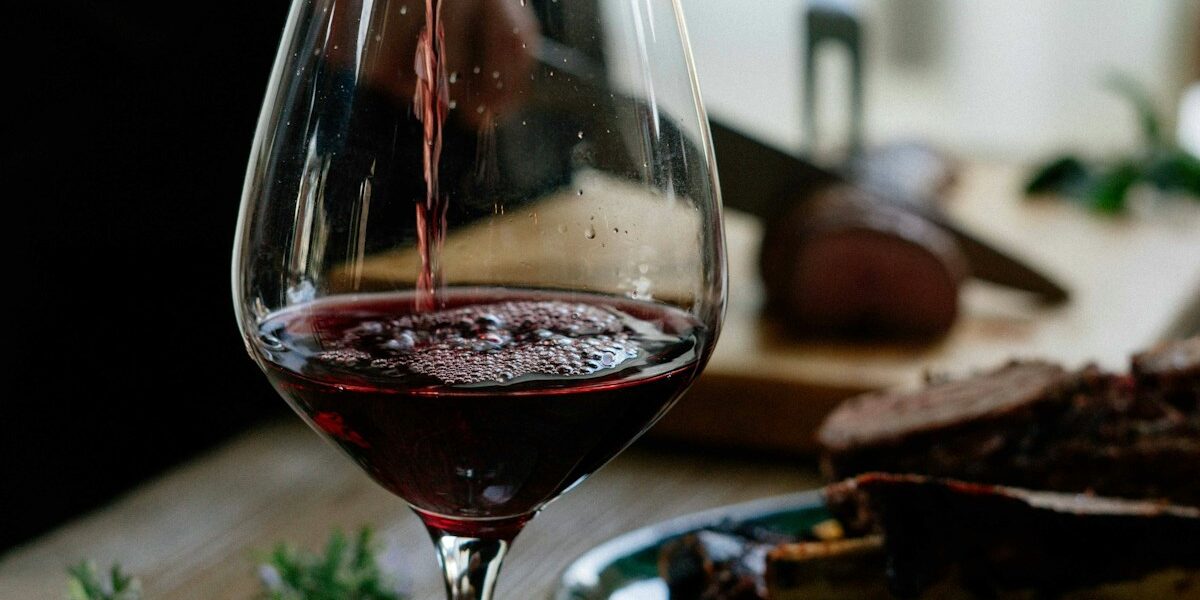
I first properly noticed Grenache at a Châteauneuf-du-Pape tasting that someone organized in a cramped apartment. There were maybe eight bottles on the table, all from different producers, and the range was remarkable — from wines that were almost Pinot Noir-like in their delicacy to others that were dark and dense with an almost port-like richness. All from the same grape, all from the same appellation, all from the same region. That was the moment I understood that Grenache was more interesting than I’d given it credit for.
Origins and Where It Got to
Grenache originated in Aragon, in northern Spain, where it’s called Garnacha. It spread to southern France sometime in the 18th century, found a congenial home in the Rhône Valley, and then kept traveling — to Australia, California, and beyond. What makes the grape such a successful traveler is its adaptability. It thrives in hot, dry climates where many other varieties struggle. Low water needs, high yields, thick enough skin to resist most common vineyard threats — Grenache is, in the best sense, a tough grape that makes itself at home.
The vine itself tends to be grown as a bush vine in traditional regions — no trellis, just a low-growing plant with good air circulation around the clusters. You see this throughout Châteauneuf-du-Pape and across much of Spain. The bush vine form usually means lower yields and more concentrated fruit compared to trellised vines.
What the Wine Actually Tastes Like
Grenache wines are fruit-forward, with strawberry and raspberry at the lighter end of the spectrum and darker fruit — plum, cranberry, sometimes blackberry — at the riper end. There’s typically a distinctive note of white pepper, which is a characteristic of the grape itself rather than the place or the winemaker. Herbal qualities, dried herbs especially, often appear. Alcohol tends to run high because Grenache ripens late and accumulates a lot of sugar — 15% ABV is common and not unusual to see 16% in warm vintages.
The tannins are generally softer than Cabernet or Syrah, and the natural acidity is lower. This combination makes Grenache wines feel round and approachable on the palate, sometimes almost pillowy. That’s an asset for everyday drinking but can make very ripe examples feel heavy if they lack enough acidity to provide lift.
The Key Regions
Châteauneuf-du-Pape in the southern Rhône Valley is where Grenache achieves its most celebrated expressions. The appellation allows up to 13 grape varieties, but Grenache dominates most blends, usually paired with Syrah and Mourvèdre in what’s called the GSM blend. The vineyards’ distinctive large smooth river stones (galets) absorb heat during the day and release it at night, promoting even ripening. Château Rayas — which produces a virtually 100% Grenache Châteauneuf-du-Pape — is one of the most sought-after wines in the appellation, known for an unusual elegance and refinement that defies expectations about this grape.
In Spain, Priorat and Rioja are the most important appellations for Garnacha. Priorat’s slate and quartzite soils (llicorella) give the wines a distinctive mineral quality. Alvaro Palacios’s wines from Priorat, particularly L’Ermita, established the region’s international reputation and demonstrated how extraordinary old-vine Garnacha could be.
Australia’s Barossa Valley and McLaren Vale produce substantial Grenache, often in GSM blends (Grenache, Shiraz, Mourvèdre). The warm climate yields rich, bold wines. Clarendon Hills in McLaren Vale has done particularly interesting work with single-vineyard Grenache that shows the variety’s capacity for terroir expression.
California’s Paso Robles and Santa Barbara regions have grown their Grenache programs significantly, partly through the influence of the Rhone Rangers — a loose association of American producers focused on Rhône grape varieties. The California versions tend to be riper and more opulent than their French counterparts but can be excellent.
Winemaking Approaches
How winemakers handle Grenache determines a lot about the final wine. Some use stainless steel fermentation entirely, preserving the grape’s fresh, vibrant fruit character — this approach produces wines meant for earlier consumption. Others use a combination of new and neutral oak, which adds structure, spice notes, and complexity but requires longer aging to integrate. Whole-cluster fermentation, where the grape stems are included, adds tannins and herbal complexity and tends to produce more age-worthy wines.
The high natural alcohol is the main challenge. Some producers pick earlier to preserve acidity and freshness, accepting slightly less physiological ripeness. Others let the grapes fully ripen and then work in the winery to manage the alcohol. Neither approach is universally right — it depends on what style of wine you’re trying to make.
What to Eat With It
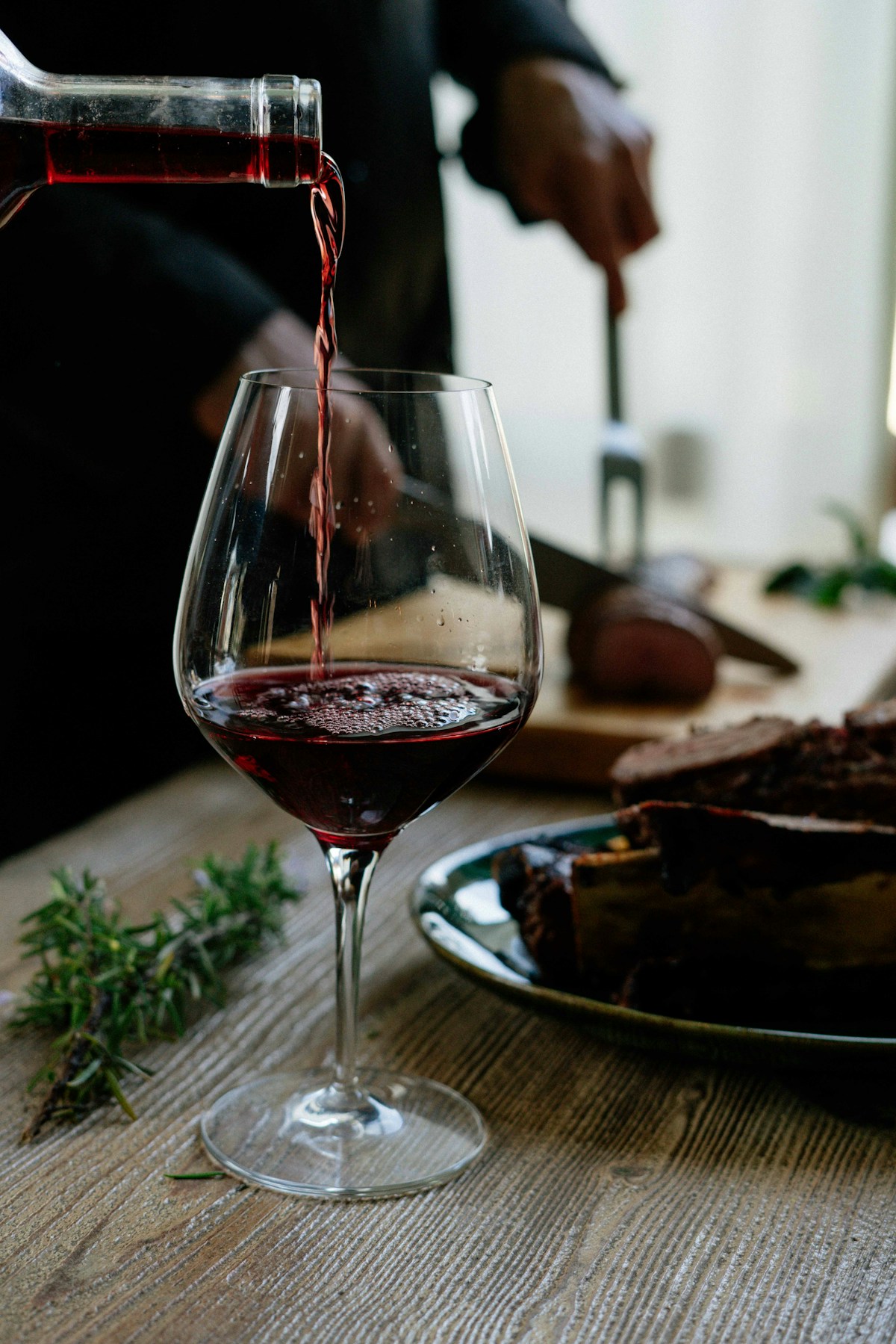
Grenache’s fruit-forward character and moderate tannins make it quite food-friendly. Roasted lamb is the classic pairing — the grape and the animal seem designed for each other, and this is what you’d eat in both southern France and Spain with a glass of the local wine. Pork dishes, beef stews, and grilled meats all work well. The wine’s herbal notes and ability to handle some spice make it good with Mediterranean-spiced dishes and barbecued meats.
For vegetarian options, dishes with roasted vegetables, lentils, or mushrooms complement the earthy quality that good Grenache develops. A Provençal ratatouille with a Gigondas is a pairing that earns its reputation.
Grenache rosé, especially from Provence and Navarra, is another major expression of the grape worth mentioning — lighter, fresher, lower in alcohol, and wonderful with summer food.

Stay in the loop
Get the latest winemaker's friend updates delivered to your inbox.