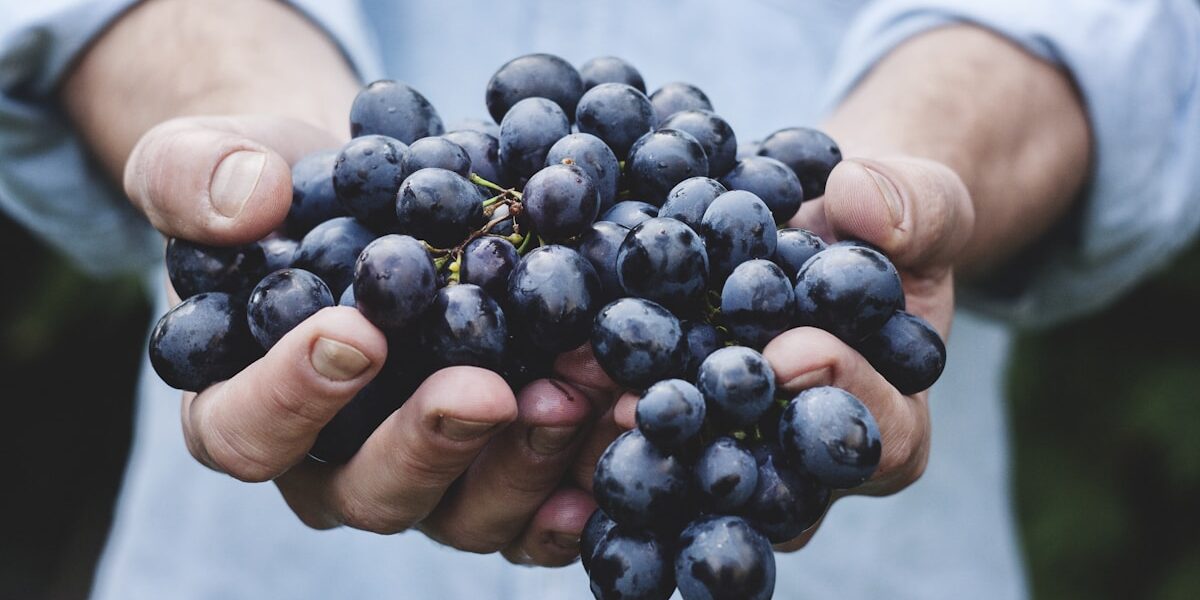
Wine and food pairing elevates both elements of a meal, creating combinations greater than their individual parts. While mystified by some as an exclusive art requiring years of training, the fundamentals are accessible to anyone willing to taste thoughtfully and remember a few guiding principles.
Why Pairing Matters
Wine changes in the presence of food. A tannic red that seems harsh alone softens beautifully alongside a fatty steak. A dry white that tastes balanced by itself may seem bitter after sweet dessert. Understanding these interactions transforms random combinations into deliberate pairings that enhance both plate and glass.
The magic happens through chemistry. Tannins bind with proteins. Acidity cuts through richness. Sweet wines balance salty and spicy foods. When matched thoughtfully, wine and food modify each other’s flavors in delicious ways. When mismatched, both suffer.
Perfect pairings aren’t about memorizing rules but developing sensitivity to how flavors interact. The guidelines below provide starting points; your own palate provides the final verdict.
The Weight Principle
Match the intensity of wine to the intensity of food. Light wines belong with delicate dishes; powerful wines need robust fare. This fundamental principle prevents either element from overwhelming the other.
Consider body—how heavy the wine feels in your mouth. Light-bodied wines like Pinot Grigio or Beaujolais suit lighter preparations: raw shellfish, steamed fish, green salads. Full-bodied wines like Cabernet Sauvignon or oaky Chardonnay can stand up to grilled meats, rich sauces, and bold flavors.
Cooking method affects intensity as much as ingredients. Poached salmon calls for lighter wine than grilled salmon. Steamed vegetables pair differently than roasted vegetables caramelized at high heat. Consider the entire dish, not just its protein.
The Acid Factor
Acidity might be pairing’s most versatile tool. High-acid wines refresh the palate between bites of rich food, preventing fatigue and maintaining appetite. This explains why crisp Champagne works so well with fried foods—each sip cleanses the palate for the next bite.
Match wine acidity to food acidity. A wine that seems balanced alone may taste flat and flabby alongside a vinaigrette-dressed salad or tomato-based sauce. Choose wines with comparable or higher acidity than your dish.
High-acid wines pair wonderfully with: fried foods, creamy sauces, fatty fish, citrus preparations, and tomato dishes. Options include Sauvignon Blanc, Albariño, Grüner Veltliner, Sangiovese, and Barbera.
Tannin and Protein
Tannins—the astringent compounds that dry your mouth in red wine—interact dramatically with food proteins. The tannin-protein reaction softens wine’s grip while enhancing meaty flavors. This is why rare steak and young Cabernet Sauvignon create such a classic pairing.
Avoid tannic wines with non-protein dishes. That Cabernet will taste aggressively harsh with steamed vegetables or simple pasta. The tannins have nothing to bind with, leaving your mouth puckered and the wine tasting out of balance.
Cheese provides protein that softens tannins, explaining why red wine and cheese became such a traditional combination. Aged cheeses with concentrated proteins work better than fresh cheeses with tannic reds.
Sweet Meets Savory
Sweetness in wine needs thoughtful pairing. Dry wines taste sour and harsh after sweet food—try good Champagne after wedding cake and you’ll understand the problem. When dessert arrives, wine sweetness should match or exceed food sweetness.
But off-dry wines work magic with savory dishes too. German Riesling Spätlese alongside spicy Asian cuisine creates one of the great pairings, the wine’s sweetness taming heat while its acidity cuts through rich sauces. Slightly sweet Gewürztraminer with aromatic Indian dishes follows similar logic.
Sweet wines also complement salty foods beautifully. Sauternes with Roquefort, Port with Stilton—the classic pairings balance sweetness against salt in ways that amplify both flavors.
The Salt Connection
Salt enhances flavor perception, making wines taste fruitier and softer. Salty foods smooth out tannic edges and high acidity. This explains why simple salumi alongside a rustic Italian red creates such satisfying harmony.
Sparkling wines excel with salty foods. Champagne with oysters, Cava with jamón, Prosecco with fried calamari—the combination of salt and bubbles creates palate-cleansing refreshment that keeps you reaching for more of each.
Watch for wines that taste too soft or flat with heavily salted dishes. Some tension between wine and food creates interest; too much agreement can become boring.
Spice and Heat
Chili heat demands specific wine characteristics. Alcohol amplifies burn—high-proof wines make spicy food feel hotter. Tannins clash with capsaicin, creating unpleasant metallic bitterness. Off-dry wines with moderate alcohol and soft texture handle heat best.
German Riesling leads the pack for spicy cuisine. Its combination of bright acidity, touch of sweetness, and lower alcohol (often 8-12%) refreshes without amplifying burn. Other options include Gewürztraminer, Torrontés, and Chenin Blanc with residual sugar.
For red wine lovers facing spicy food, seek fruity, low-tannin options: Gamay, light Grenache, or chilled young Tempranillo. Avoid Cabernet Sauvignon, Nebbiolo, and other tannic varieties.
Regional Harmony
Traditional food and wine pairings evolved together over centuries. Wines naturally complement the cuisines of their home regions, shaped by the same climate, geography, and culture.
Tuscan Chianti with ribollita soup. Spanish Albariño with Galician seafood. German Riesling with schnitzel. Burgundy Pinot Noir with coq au vin. Oregon Pinot with Pacific salmon. These combinations work because generations of refinement aligned wine and food.
When uncertain about pairing, start with regional matches. The principle won’t guarantee perfect results but provides reliable starting points and honors cultural traditions.
Complementing and Contrasting
Two strategies create successful pairings: complementing similar flavors or contrasting different ones. Both approaches work; context determines which suits better.
Complementary pairings echo flavors between food and wine. Oaky Chardonnay with butter sauce, both sharing rich, creamy notes. Smoky Syrah with grilled meats, smoke meeting smoke. Earthy Pinot Noir with mushroom dishes, forest floor flavors aligning.
Contrasting pairings create balance through opposition. Crisp Muscadet cutting through briny oysters. Sweet Riesling against salty ham. Tannic Barolo softened by fatty braised meat. The tension between opposites creates dynamic interest.
Some dishes suit one approach better than others. Rich foods often benefit from contrast that provides relief. Delicate preparations may prefer complements that reinforce subtleties.
Specific Food Pairing Guidelines
Beef
Beef’s protein and fat welcome tannic reds. Cabernet Sauvignon, Malbec, and Syrah suit grilled steaks. Braised preparations like pot roast pair well with softer reds—Merlot, aged Tempranillo, or Rhône blends. Beef carpaccio’s raw delicacy calls for lighter reds: Pinot Noir or young Sangiovese.
Lamb
Lamb’s distinctive flavor matches well with herbal, earthy wines. Bordeaux blends, Côtes du Rhône, and Spanish Garnacha complement roasted lamb. Younger, gamier preparations can handle more rustic wines like Bandol or Priorat. Mint-sauced lamb? Try a fruit-forward Zinfandel.
Pork
Pork’s versatility allows wide wine latitude. Rich preparations like belly or carnitas suit fuller whites or lighter reds. Leaner cuts like tenderloin pair with Pinot Noir, Côtes du Rhône rosé, or unoaked Chardonnay. Cured pork products love bubbly or crisp whites.
Chicken
Preparation matters more than protein with chicken. Grilled chicken with herbs welcomes Provence rosé. Fried chicken craves high-acid bubbles. Coq au vin demands red Burgundy. Creamy chicken dishes pair with rich Chardonnay or Viognier.
Fish
Delicate fish requires delicate wine. Lean white fish like sole or cod suits Muscadet, Pinot Grigio, or unoaked Chardonnay. Richer fish like salmon or tuna can handle Pinot Noir or rosé. Oily fish like sardines or mackerel needs high acidity—Vinho Verde or Txakoli.
Shellfish
Oysters demand crisp, minerally whites: Champagne, Muscadet, Chablis. Lobster’s richness handles bigger wines—buttery Chardonnay or even young red Burgundy. Shrimp varies by preparation: grilled shrimp with Albariño, fried shrimp with sparkling, scampi with Vermentino.
Pasta
Match wine to sauce, not pasta shape. Tomato sauces need acidity: Sangiovese, Barbera, or Nero d’Avola. Cream sauces want fuller whites or lighter reds. Pesto’s basil and pine nuts suit Vermentino or light Dolcetto. Meat ragù calls for medium-bodied Italian reds.
Cheese
The cheese-wine rabbit hole goes deep. Some guidelines: soft cheeses like brie pair with Champagne or Chardonnay. Hard aged cheeses match tannic reds. Blue cheeses want sweetness: Port, Sauternes, or late-harvest wines. Fresh goat cheese loves Sancerre.
Vegetables
Often overlooked, vegetables create their own pairing challenges. Asparagus and artichokes contain compounds that make wine taste metallic—pair with Grüner Veltliner or dry rosé. Earthy root vegetables suit earthy wines like Pinot Noir or Côtes du Rhône. Grilled vegetables can handle medium reds.
Dessert
Sweet wine sweetness must exceed dessert sweetness. Chocolate, notoriously difficult, pairs with fortified wines: Port, Banyuls, or Maury. Fruit desserts match late-harvest wines from similar fruits—apple tart with ice cider, peach cobbler with Muscat. Caramel and nuts love tawny Port or Madeira.
Building Your Pairing Intuition
Rules provide structure, but palate provides judgment. Taste critically when pairing—does the combination enhance both elements? Does either wine or food dominate inappropriately? Trust your reactions over theoretical correctness.
Experiment systematically. Try the same dish with different wines. Note what works and why. Over time, patterns emerge that guide future choices without requiring rule consultation.
Remember that context matters. A perfect pairing for intimate dinner might feel pretentious at a backyard barbecue. Match wine to occasion as well as food.
Finally, prioritize enjoyment over perfection. A good wine you love with a dish you love creates a great meal regardless of pairing orthodoxy. The best pairing is one that makes you happy.

Stay in the loop
Get the latest winemaker's friend updates delivered to your inbox.