
Home winemaking offers a deeply satisfying way to connect with one of humanity’s oldest crafts. Whether you’re turning backyard grapes into table wine or crafting ambitious projects from premium juice, understanding the fermentation process transforms hobbyists into skilled winemakers capable of producing genuinely excellent wine.
Understanding Fermentation Basics
At its core, winemaking is controlled fermentation. Yeast consumes sugar and produces alcohol and carbon dioxide as byproducts. Simple enough in concept, but the details determine whether you end up with something delicious or disappointing.
Grape juice naturally contains sugars—primarily glucose and fructose—that yeast metabolizes during fermentation. Wild yeasts present on grape skins can initiate fermentation, but most home winemakers prefer cultured yeasts that behave predictably and produce consistent results.
The basic equation: sugar + yeast = alcohol + carbon dioxide + heat. Managing this equation involves controlling temperature, monitoring progress, and making adjustments as fermentation proceeds.
Selecting Your Starting Material
Home winemakers typically choose between fresh grapes, frozen must, juice concentrates, or wine kits. Each option presents different challenges and opportunities.
Fresh grapes offer maximum control and the potential for exceptional wine, but require harvest-timing skills, crushing equipment, and the ability to handle large volumes quickly. Fall harvest season means working with grapes immediately—they won’t wait for your schedule.
Frozen must (crushed grapes with skins and seeds) ships year-round from quality vineyards, eliminating harvest timing concerns while still providing whole-grape winemaking experience. Quality varies by supplier, so research sources carefully.
Juice concentrates reduce volume for shipping, then reconstitute with water. Results depend heavily on source quality. Better concentrates from premium grape regions produce respectable wines; cheap concentrates yield mediocre results regardless of technique.
Wine kits provide everything needed—juice, yeast, additives, and instructions—in convenient packages. High-end kits from companies like Winexpert and RJS produce surprisingly good wine with minimal equipment and experience. They’re excellent for learning before committing to fresh grape production.
Essential Equipment
Starting simple keeps initial investment reasonable. As skills develop, most winemakers gradually add equipment that improves quality and efficiency.
Primary fermenter: A food-grade plastic bucket or bin with lid works for initial fermentation. Choose capacity based on batch size—typically 20-30% larger than your must volume to accommodate foam and cap management.
Secondary fermenter: Glass carboys remain the standard for extended aging. The 6-gallon size matches typical batch sizes. Plastic carboys cost less but scratch easily and may absorb colors and odors over time.
Airlocks and bungs: These allow carbon dioxide to escape while preventing oxygen and contaminants from entering. Simple and inexpensive, but essential for healthy fermentation.
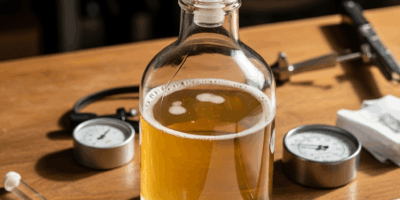
Hydrometer: This floating instrument measures sugar content, allowing you to track fermentation progress and calculate final alcohol levels. Among the most important tools for any winemaker.
Siphoning equipment: Auto-siphons and tubing transfer wine between containers without disturbing sediment. Racking—the process of separating clear wine from settled lees—requires gentle handling that pumps rarely provide.
Bottles, corks, and corker: Standard 750ml wine bottles accept #9 corks. Floor corkers make bottling much easier than hand corkers, though both work. Collect bottles gradually by saving empties from wines you drink.
Sanitizer: Potassium metabisulfite solution or commercial no-rinse sanitizers like Star San prevent contamination. Thorough sanitation before every use prevents spoilage that can ruin entire batches.
The Primary Fermentation Process
Primary fermentation typically lasts five to fourteen days, depending on temperature, yeast strain, and sugar levels. This active phase sees the most dramatic transformation as yeast populations explode and convert sugar to alcohol.
Preparing the must: For red wines, grapes are crushed to release juice while keeping skins intact for color and tannin extraction. White wines typically ferment as juice only, with skins removed after pressing. Adding sulfite (potassium metabisulfite) at crushing inhibits wild yeasts and bacteria, creating a clean slate for your chosen yeast.
Yeast selection and pitching: Different yeast strains emphasize different characteristics. Some enhance fruit aromatics; others tolerate high alcohol levels; still others produce specific flavor compounds. Match yeast to your desired wine style. Rehydrate dried yeast according to package directions before adding to must.
Temperature management: Red wines typically ferment between 70-85°F, with warmer temperatures extracting more color and tannin. White wines ferment cooler, 55-65°F, preserving delicate aromatics. Temperature significantly impacts fermentation speed and final flavor profile.
Cap management: For red wines, grape skins float to the surface forming a “cap.” This cap must be submerged regularly—typically twice daily—to extract color and prevent spoilage. Punch-down or pump-over techniques both work well at home scale.
Monitoring progress: Daily hydrometer readings track sugar depletion. Starting gravity typically falls between 1.080-1.100 for dry table wines. As fermentation proceeds, gravity drops steadily toward 0.995-1.000. A stuck reading suggests fermentation problems requiring attention.
Pressing and Secondary Fermentation
When primary fermentation slows and gravity approaches target levels, red wines are pressed to separate liquid from solids. Timing affects style—earlier pressing yields lighter wines; extended maceration produces bigger, more tannic wines.
A basket press works well for home batches, applying gradual pressure that extracts juice without crushing seeds and releasing bitter compounds. Free-run juice (before pressing) and light press fractions produce the finest wine; heavy pressing extracts harsher elements best excluded or blended sparingly.
Transfer pressed wine to carboys, filling to minimize headspace and oxygen exposure. Attach airlocks and allow fermentation to complete in this secondary vessel. The environment changes from aerobic (some oxygen exposure during primary) to anaerobic (oxygen excluded), allowing different chemical reactions to proceed.
Malolactic fermentation may occur naturally or be induced with bacterial cultures. This secondary fermentation converts sharp malic acid to softer lactic acid, reducing acidity and adding complexity. Most red wines and some whites benefit from MLF; crisp whites often skip it to preserve acidity.
Racking and Clarification
As fermentation concludes, dead yeast cells and grape particles settle as lees. Racking—siphoning clear wine off sediment—separates wine from potentially problematic deposits. Most wines need two to four rackings over several months.
First racking typically occurs shortly after primary fermentation, removing gross lees that can contribute off-flavors if contact extends too long. Subsequent rackings at two to three month intervals progressively clarify wine as finer particles settle.
Some wines benefit from fining agents that accelerate clarification. Bentonite removes proteins that cause haze. Egg whites soften tannins in red wines. Isinglass and gelatin clarify both colors. Excessive fining strips flavor and body, so use conservative amounts.
Cold stabilization precipitates tartrate crystals that might otherwise form in bottle. Chilling wine near freezing for several weeks, then racking off crystals, produces wines that won’t throw sediment when refrigerated later.
Aging and Oak Treatment
Time allows harsh young wines to integrate and develop complexity. Minimum aging varies by style—light whites may be ready in months; serious reds might need years.
Oak introduces vanilla, spice, and toast flavors while allowing controlled oxygen exposure that softens tannins. Traditional barrels remain the gold standard but require significant investment and careful maintenance. Home winemakers often use alternatives.
Oak chips and cubes provide similar flavor compounds at lower cost. Toast level—light, medium, or heavy—affects flavor profile. French oak contributes subtle spice; American oak adds more pronounced vanilla and coconut notes. Hungarian oak falls between.
Start conservatively with oak additions. Over-oaked wine tastes unbalanced and cannot be fixed. Taste regularly during oak contact, removing chips when desired level is reached.
Micro-oxygenation—introducing tiny controlled amounts of oxygen—mimics barrel aging benefits for wines in glass or stainless vessels. Commercial systems exist, though improvised approaches using aquarium equipment can work for experimenters.
Testing and Adjustments
Analytical testing helps guide decisions and catch problems early. Basic measurements include:
Specific gravity: Tracks sugar levels and fermentation progress. Essential at every stage.
pH: Measures acidity strength affecting stability, color, and microbial vulnerability. Most table wines fall between pH 3.2-3.6. Lower values resist spoilage better.
Titratable acidity: Measures total acid quantity affecting taste perception. Target ranges vary by style—typically 6-9 g/L for reds, 7-10 g/L for whites.
Free sulfur dioxide: Measures protective SO2 levels. Maintaining adequate free SO2 prevents oxidation and microbial spoilage. Test kits and meters make monitoring straightforward.
Adjustments should be made judiciously. Acid additions (tartaric acid for tartness, malic acid for freshness) or reductions (potassium bicarbonate, malolactic fermentation) dial in balance. Sugar additions before bottling create off-dry or sweet wines. Sulfite additions protect against oxidation and spoilage.
Bottling Day
When wine has clarified, stabilized, and reached desired flavor development, bottling preserves your work. Attention to detail here prevents problems that can emerge months later.
Final sulfite addition before bottling provides storage protection. Target 25-40 ppm free SO2 depending on pH—lower pH wines need less. Sulfite test kits confirm adequate levels.
Clean and sanitize all equipment thoroughly. Set up an efficient workflow: bottles, wine source, siphon, and filled bottles moving in logical order. Work with a helper if possible—one person fills while the other corks.
Fill bottles to leave about half-inch headspace below where the cork will sit. Too little headspace concentrates oxygen; too much suggests sloppy work and may concern anyone you share bottles with.
Insert corks quickly after filling, before dust or flies find their way in. Good corks should slide in smoothly with a floor corker. Hand corkers work but require more effort and produce less consistent results.
Store freshly bottled wine upright for a few days allowing corks to seal, then move to horizontal storage. Label bottles with variety, vintage, and any notes useful for future reference.
Troubleshooting Common Problems
Stuck fermentation: When fermentation stops before reaching target dryness, investigate temperature, nutrition, and alcohol tolerance. Warming the fermenter, adding yeast nutrients, or pitching fresh yeast often restarts activity. Prevention through proper yeast handling and temperature control works better than cures.
Hydrogen sulfide: Rotten egg smell during fermentation typically indicates yeast stress from nutrient deficiency. Aerating the fermenter and adding nutrients often resolves early cases. Persistent problems require copper treatment.
Volatile acidity: Vinegar smell signals bacterial contamination producing acetic acid. Prevention through sanitation and sulfite management beats treatment. Mild cases might be blendable; severe cases are unsalvageable.
Oxidation: Brown color and sherry-like flavors indicate oxygen damage. Minimize headspace, maintain sulfite levels, and limit oxygen exposure during transfers. Once oxidized, wines cannot be restored.
Cork taint: Musty, cardboard flavors from TCA-contaminated corks ruin otherwise good wine. Quality cork suppliers minimize risk; alternative closures eliminate it entirely.
Developing Your Palate and Skills
Great winemaking combines science and art. Technical knowledge provides foundation; developed palate guides decisions. Taste commercial wines critically, noting what you enjoy and why. Taste your wines regularly throughout production, building mental reference points for progress and problems.
Join a home winemaking club to share knowledge and compare wines with fellow enthusiasts. Competitions provide objective feedback from trained judges. Read broadly—winemaking science evolves continuously, and staying current improves results.
Most importantly, make wine regularly. Each batch teaches something new. Mistakes become learning opportunities. Over time, intuition develops alongside technique, allowing you to craft wines that express your personal vision while honoring the grapes and traditions that make winemaking such a rewarding pursuit.


Stay in the loop
Get the latest winemaker's friend updates delivered to your inbox.