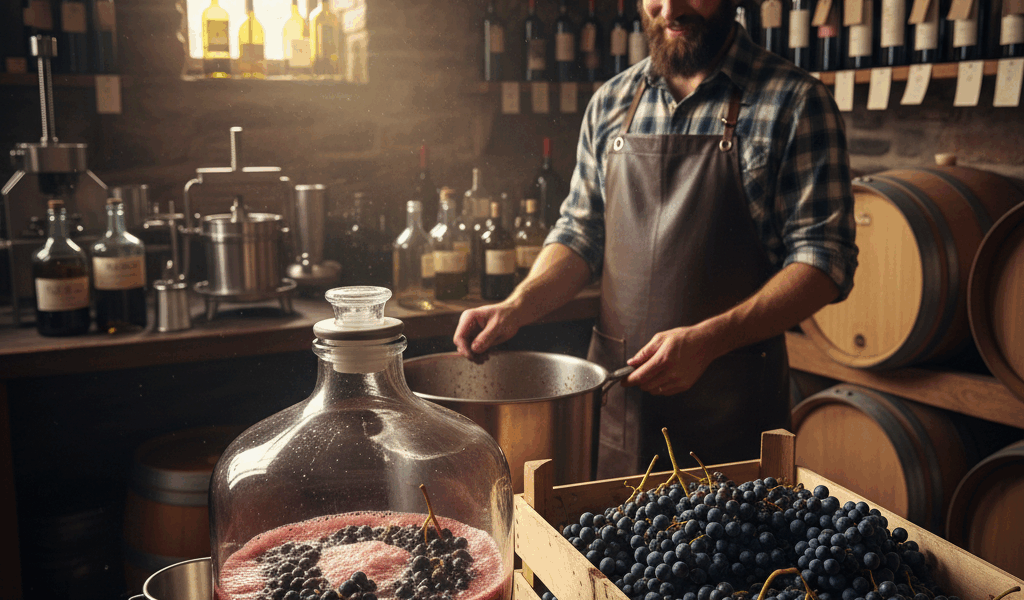
Making wine at home is one of the most rewarding hobbies you can pursue, but the gap between producing drinkable wine and crafting something truly exceptional often comes down to mastering the fundamentals that many beginners overlook.
Understanding the Winemaking Process
Every great wine starts with understanding what happens during fermentation. Yeast cells consume sugars in grape juice and convert them to alcohol and carbon dioxide. This sounds simple, but the conditions under which fermentation occurs dramatically affect the final product. Temperature fluctuations can stress yeast, creating off-flavors. Insufficient nutrients can cause fermentation to stall. Oxygen exposure at the wrong time can lead to oxidation or volatile acidity problems.
Professional winemakers spend years learning to read the subtle signs of healthy versus struggling fermentation. Home winemakers can develop this skill too, but it requires paying close attention to details that might seem unimportant at first.
Grape Selection and Sourcing
The quality of your starting material sets the ceiling for your wine. No amount of technique can transform mediocre grapes into exceptional wine. If you grow your own grapes, this means understanding your specific microclimate, soil conditions, and the ideal harvest window for your varieties. Brix levels matter, but so does pH, acidity, and physiological ripeness of tannins and flavors.
For those purchasing grapes or juice, building relationships with reputable growers makes a tremendous difference. Ask questions about vineyard practices, harvest dates, and transportation conditions. Grapes that sit in hot trucks for hours will never make great wine regardless of their initial quality.
Sanitation Cannot Be Overstated
Perhaps the most common mistake among beginning winemakers is underestimating the importance of rigorous sanitation. Wild yeasts, bacteria, and mold spores are everywhere. They are on your equipment, in the air, on your hands. While some natural winemakers deliberately work with ambient microbes, this requires extensive experience and often results in failed batches for beginners.
Invest in quality sanitizing solutions and use them religiously. Clean all equipment before sanitizing because organic matter can protect microorganisms from sanitizers. Develop a systematic approach so sanitation becomes automatic rather than something you might forget.
Temperature Control During Fermentation
Fermentation temperature profoundly influences wine style and quality. Cool fermentations preserve delicate aromatics and produce crisp, fruity wines. Warmer fermentations extract more color and tannin from red grape skins but can produce harsh or stewed characters if temperatures exceed 85 degrees Fahrenheit.
For white wines, maintaining temperatures between 55 and 65 degrees typically yields the best results. Red wines generally ferment between 75 and 85 degrees. These are starting points; your specific grapes and desired style may call for adjustments.
Controlling temperature in a home setting can be challenging. Some winemakers use dedicated refrigerators or temperature-controlled rooms. Others wrap fermenters in wet towels and point fans at them for evaporative cooling. During cold weather, heating pads or space heaters may be necessary. Whatever method you choose, monitor temperatures multiple times daily during active fermentation.
The Science of Acid Balance
Acidity gives wine freshness, structure, and aging potential. Too little acid makes wine taste flabby and dull. Too much acid creates harsh, sour wines that are unpleasant to drink. Understanding the relationship between pH, titratable acidity, and perceived acidity takes time but is essential for consistent quality.
pH measures hydrogen ion concentration on a logarithmic scale. Lower pH means higher acidity. Most wines fall between 3.0 and 4.0 pH. White wines typically aim for 3.1 to 3.4, while reds can go slightly higher at 3.4 to 3.6. Beyond pH levels, titratable acidity measures the total amount of acid present and more closely correlates with what we taste.
If your juice needs acid adjustment, tartaric acid is the primary choice because it is the dominant acid in grapes naturally. Add acids before fermentation when possible, as post-fermentation adjustments can taste artificial. Always make additions gradually, testing as you go, because adding acid is easier than removing it.
Managing Sulfur Dioxide
Sulfur dioxide protects wine from oxidation and microbial spoilage. Used properly, it is an essential tool. Used carelessly, it can ruin wine with excessive sulfur aromas or strip delicate flavors. Learning to measure and manage sulfur levels marks a significant step in winemaking sophistication.
Free sulfur dioxide is the portion that is active and protective. Bound sulfur dioxide is chemically attached to other compounds and provides no protection. Total sulfur dioxide is the sum of both. Testing free sulfur dioxide levels and adjusting them appropriately at each winemaking stage prevents both under-protection and over-sulfiting.
Oak Usage and Alternatives
Oak can add complexity, texture, and flavor to wines that benefit from it. But oak is not appropriate for every wine, and heavy-handed oak can overwhelm fruit character. Begin with less oak than you think you need. You can always add more, but you cannot remove oak influence once it is there.
New oak barrels provide the most intense flavors but are expensive and may be excessive for home winemaking volumes. French oak tends toward subtler, spicier notes while American oak delivers more obvious vanilla and coconut. Hungarian and other Eastern European oaks fall between these profiles.
Oak alternatives like spirals, chips, and cubes offer cost-effective options. Each has different surface area to volume ratios affecting extraction speed. Chips extract quickly and can become harsh if left too long. Spirals and cubes release oak character more gradually and may produce smoother integration.
Patience in Aging
One of the hardest lessons for home winemakers is learning patience. The urge to bottle and share your creation is strong, but premature bottling often disappoints. Young wines may taste disjointed, with tannins, fruit, and oak not yet integrated. Given adequate time, these elements harmonize into something far more enjoyable.
White wines typically need less aging than reds, often six months to a year before bottling. Red wines benefit from one to two years or more depending on their structure. Taste your wines periodically during aging to understand how they evolve. This develops your palate and helps you recognize when wines are ready.
Blending for Complexity
Even if you make single-variety wines, blending different lots can significantly improve quality. You might blend tanks fermented at different temperatures, or combine free-run juice with press fractions. Blending wines from different stages of ripeness can add dimension that no single lot provides.
When blending, always work with small test quantities first. Prepare several blend ratios, taste them blind if possible, and give yourself time before making final decisions. What seems best immediately after blending may change after the wine rests and integrates.
Bottling Considerations
Bottling seems like a simple final step, but poor bottling technique can undo months of careful work. Wine should be stable and clear before bottling. Cloudiness may indicate ongoing reactions or microbial activity that will continue in the bottle, potentially causing sediment, off-flavors, or worse.
Check free sulfur dioxide levels immediately before bottling and adjust if necessary. Wine is vulnerable to oxidation during the bottling process, so work efficiently and minimize splashing. Use quality corks or screw caps and store bottles appropriately for the intended aging period.
Learning from Every Vintage
Keep detailed notes throughout the winemaking process. Record grape sources, analysis numbers, additions made, fermentation temperatures, timing of operations, and tasting impressions. When you taste your finished wines, refer back to these notes. Over time, patterns emerge that guide future decisions.
Do not be discouraged by imperfect results. Every commercial winemaker has made wines they wish they could forget. What separates good winemakers from great ones is learning from mistakes and continually refining their approach.
Building Your Equipment Over Time
Start with essential equipment and upgrade as you develop skills. Beginning winemakers often invest too much in gadgets before understanding what they actually need. A good thermometer, hydrometer, pH meter, and basic sanitation supplies get you surprisingly far. Add laboratory equipment and specialty tools as specific needs arise.
That said, do not skimp on items that directly contact wine. Quality fermenters, airlocks, tubing, and bottling equipment prevent contamination and make the process smoother. Cheap equipment that fails during critical operations can ruin entire batches.
Joining the Winemaking Community
Connect with other home winemakers through local clubs, online forums, or regional competitions. Tasting and critiquing wines together accelerates learning. Experienced members often share equipment, bulk-buy supplies, and offer invaluable troubleshooting advice. Competition feedback, even if sometimes harsh, provides objective perspective on your wines.
Consider taking classes or workshops when available. Many wine regions offer home winemaking courses through extension programs or community education. Some commercial wineries host amateur winemaking events that provide access to professional equipment and expertise.
Moving Toward Excellence
The journey from making acceptable wine to making excellent wine requires dedication, continuous learning, and honest self-assessment. Taste widely, including commercial wines at various price points. Develop vocabulary to describe what you taste. Understand why certain wines command premium prices and others do not.
the most satisfying aspect of home winemaking is pouring a glass of something you created and knowing that every decision you made contributed to that moment. The hobby rewards patience, curiosity, and attention to detail in ways few others can match.

Stay in the loop
Get the latest wildlife research and conservation news delivered to your inbox.