Your first batch of wine will probably not be great. Mine was not. Most first attempts fall somewhere between “drinkable but flawed” and “scientific experiment gone wrong.” Here are the seven mistakes nearly every beginner makes—and how to avoid them.
Mistake #1: Inadequate Sanitization
This is the number one killer of first batches. You think you cleaned everything, but bacteria laugh at soap and water. They are microscopic opportunists waiting to turn your wine into vinegar, or worse.
The fix: Use proper sanitization solutions—Star San, potassium metabisulfite, or similar no-rinse sanitizers. Sanitize everything that touches your wine: fermenters, airlocks, siphons, bottles, stoppers. If you are not sure whether something needs sanitizing, sanitize it anyway.
And “sanitized” does not mean “washed.” These are different processes. Clean removes visible dirt. Sanitize kills the invisible threats. You need both.
Mistake #2: Ignoring Temperature Control
Yeast are sensitive creatures. Too cold and they go dormant. Too hot and they produce fusel alcohols—harsh, headache-inducing compounds that make wine taste like rocket fuel.
Most wine yeasts ferment best between 60-75°F, depending on the strain. Red wines often benefit from warmer fermentation (70-75°F) for better extraction, while whites prefer cooler temperatures (55-65°F) to preserve delicate aromatics.
The fix: Get a fermentation thermometer. Monitor your must daily. If your basement is too cold, use a heating wrap or move to a warmer room. If it is summer and too hot, consider a temperature-controlled fermentation chamber or at least keep your fermenter in the coolest part of the house.
Mistake #3: Pitching Insufficient Yeast
One packet of yeast might seem like a lot—but for five gallons of high-sugar must, it can be inadequate. Underpitching leads to stressed yeast, slow fermentation, off-flavors, and potential stuck fermentation.
The fix: Make a yeast starter 24-48 hours before pitching. Rehydrate dry yeast properly according to the manufacturer’s instructions. For high-gravity musts (above 1.100 specific gravity), consider using two packets or making a larger starter.
Mistake #4: Rushing the Process
Patience is the hardest skill in winemaking. Your wine needs time—time to ferment, time to clarify, time to age. Bottling too early leads to unstable wine that continues changing in the bottle, potentially explosively if fermentation is not truly complete.
The fix: Trust your hydrometer, not your calendar. Primary fermentation typically takes 1-2 weeks. Secondary fermentation and clarification take another 4-8 weeks. Many wines benefit from 6-12 months of bulk aging before bottling. If your specific gravity has not been stable for at least two weeks, do not bottle.
Mistake #5: Poor Record Keeping
When something goes wrong—or right—you want to know why. Without records, you cannot learn from your batches. You cannot replicate success or avoid repeating failure.
The fix: Keep a winemaking journal. Record everything: starting gravity, yeast strain, nutrient additions, temperature readings, racking dates, and tasting notes at each stage. Include what you would do differently. Future you will thank present you.
Mistake #6: Not Testing Acid and pH
Acid balance affects everything: fermentation health, microbial stability, aging potential, and taste. Too low and your wine tastes flabby and is prone to spoilage. Too high and it tastes sharp and unpleasant.
The fix: Invest in a pH meter and a titration kit. Target pH between 3.2-3.6 for most wines. Adjust with tartaric acid if pH is too high, or potassium bicarbonate if too low. Test before fermentation and again before bottling.
Mistake #7: Using Poor Quality Fruit
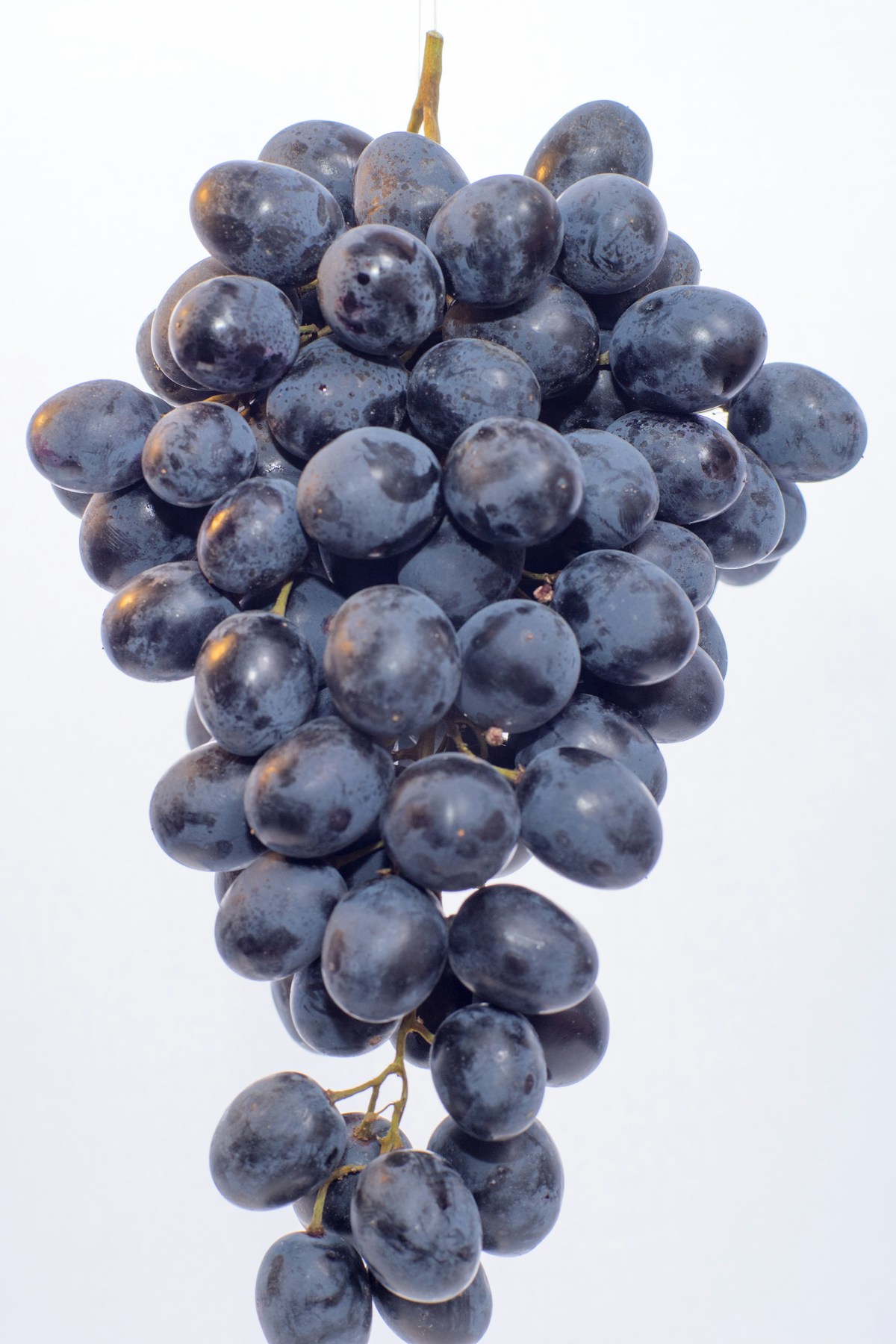
Wine quality starts with fruit quality. Rotten grapes, underripe fruit, or produce sprayed with chemicals you cannot wash off will produce wine that tastes like those problems. You cannot ferment your way to quality starting with garbage.
The fix: Source the best fruit you can afford. If using fresh grapes, sort them carefully—remove anything moldy, underripe, or damaged. If using juice or concentrate, buy from reputable suppliers. Remember: you can make bad wine from good grapes, but you cannot make good wine from bad grapes.
The Encouraging Truth
Everyone makes these mistakes. Every experienced winemaker has a horror story about their first batch. The difference between people who quit and people who become good winemakers is whether you learn from the mistakes.
Your second batch will be better. Your fifth will be good. Your tenth might be genuinely impressive. But none of that happens if you get discouraged by batch number one. Embrace the learning curve—it is part of the journey.