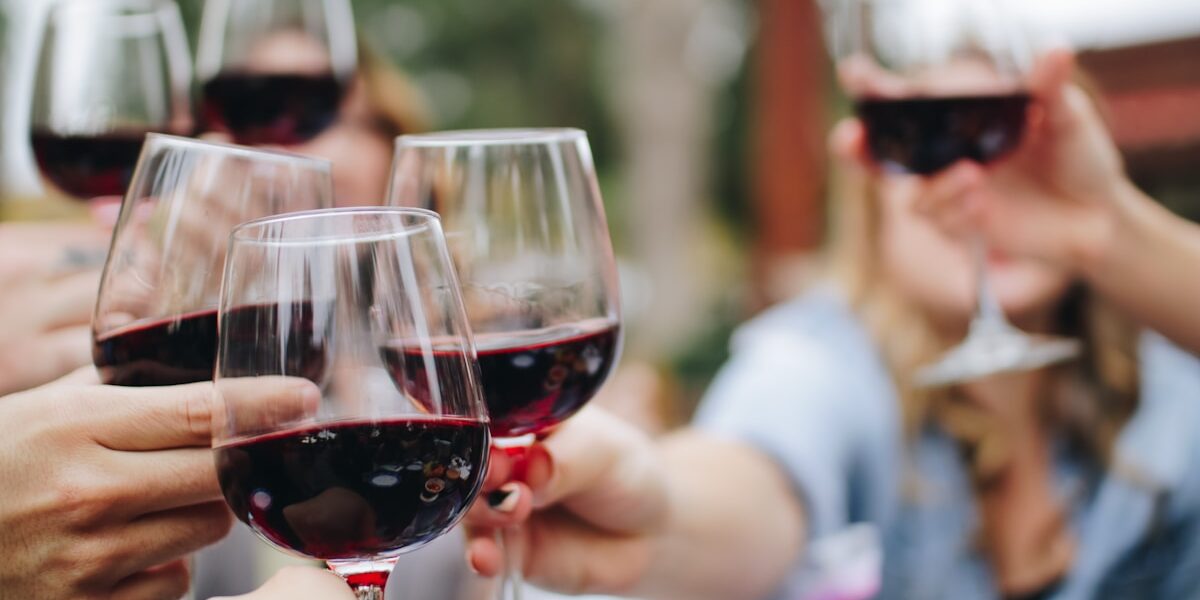
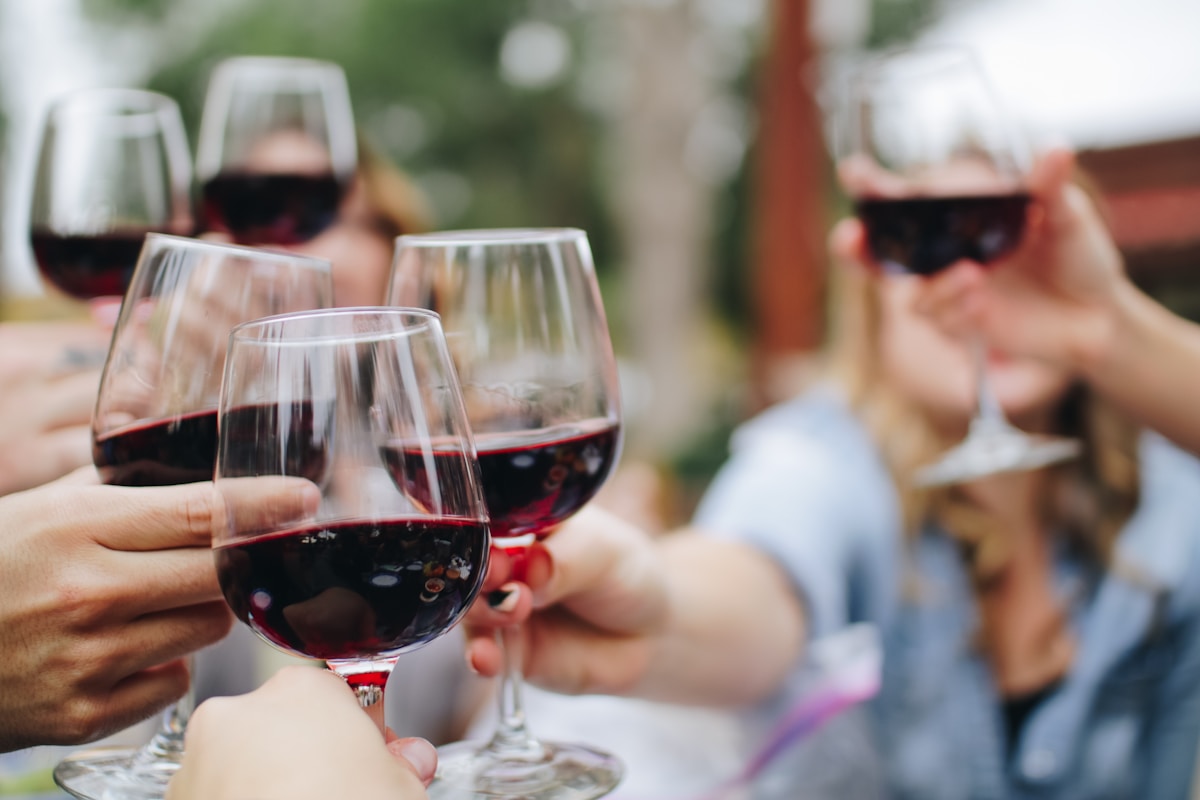
V. Sattui is one of those Napa Valley wineries that shows up on every “must-visit” list, and after making the trip myself I understand why — but perhaps not for the reasons I expected. I’d anticipated a formal, reverent wine experience. What I found instead was something more like a very well-run Italian-American family gathering where the wine happened to be excellent. The deli, the outdoor picnic area, the crowds — it’s genuinely festive in a way that high-end Napa can feel forced about being.
The History Behind the Name
The Sattui story begins with Vittorio Sattui, an Italian immigrant who founded the original winery in San Francisco in 1885. The winery operated for decades before Prohibition forced it to close in 1920. The name went dormant for over fifty years until Dario Sattui — Vittorio’s great-grandson — reopened it in St. Helena in 1975, not far from where many of Napa Valley’s most celebrated estates are concentrated.
Dario’s decision was unusual: he reopened the winery with no distribution network, selling exclusively through the winery itself. That meant the only way to buy V. Sattui wine was to visit. This created the compelling reason to show up in person that still defines the experience today. The model has been remarkably successful — V. Sattui is regularly among the most-visited wineries in California.
The Wines
The portfolio is deliberately broad. Cabernet Sauvignon is the flagship — this is Napa Valley, and Cab is what Napa does — and the better single-vineyard bottlings showcase the quality of their estate vineyards spread across more than 230 acres in the valley. The Cabernets run from accessible, fruit-forward everyday styles up to more serious, structured wines from selected blocks that develop genuine complexity with a few years of cellaring.
The white wine lineup includes a clean, refreshing Sauvignon Blanc and Chardonnay in both styles — unoaked and more classical for a lighter expression, and a fuller, oak-influenced version for those who want the richer California style. There’s also Gamay Rouge, a lighter red that’s genuinely good for a warm Napa afternoon, and a range of dessert and sparkling wines that round out the portfolio beyond what most single-focus estates offer.
The Experience
The combination of wine tasting with a proper gourmet deli and marketplace sets V. Sattui apart from most Napa Valley visits. Artisan cheeses, charcuterie, fresh bread, prepared food — you can put together a picnic entirely on-site and eat it on the grounds, which are substantial and genuinely pleasant. For families or groups where not everyone is equally invested in wine, this format means there’s something for everyone rather than two hours of wine discussion while some people look at their phones.
Tastings are offered daily without requiring advance reservations for standard pours, which is increasingly unusual in Napa where the norm has shifted toward booking weeks ahead. Private tours and tastings can be arranged with notice and go deeper into the winemaking process and cellar. Seasonal events — harvest celebrations, wine and food pairing dinners — fill up quickly if you’re planning around them.
Sustainability Practices
The vineyard management philosophy at V. Sattui emphasizes sustainable practices throughout. Cover crops grow between vine rows to retain soil moisture and support beneficial insects. Drip irrigation minimizes water use. Integrated pest management strategies reduce chemical inputs. These practices reflect an understanding that the quality of the wine is inseparable from the health of the land it comes from.
The winemaking itself balances modern precision with hands-on attention. The fermentation facility uses contemporary temperature-controlled tanks for cleanliness and consistency while maintaining the artisanal involvement that keeps each wine reflecting its source rather than becoming a standardized product.
The Broader Impact
V. Sattui has contributed to Napa Valley’s wine culture in ways beyond its own wines. The direct-to-consumer model that Dario established in 1975 was ahead of its time, and the emphasis on creating a complete visitor experience — food, history, education alongside the tasting — influenced how many subsequent wineries thought about hospitality. The winery participates in local and regional initiatives aimed at maintaining Napa’s position as a serious wine-producing region while keeping it accessible to people who aren’t already deep into the collecting world.

Stay in the loop
Get the latest wildlife research and conservation news delivered to your inbox.