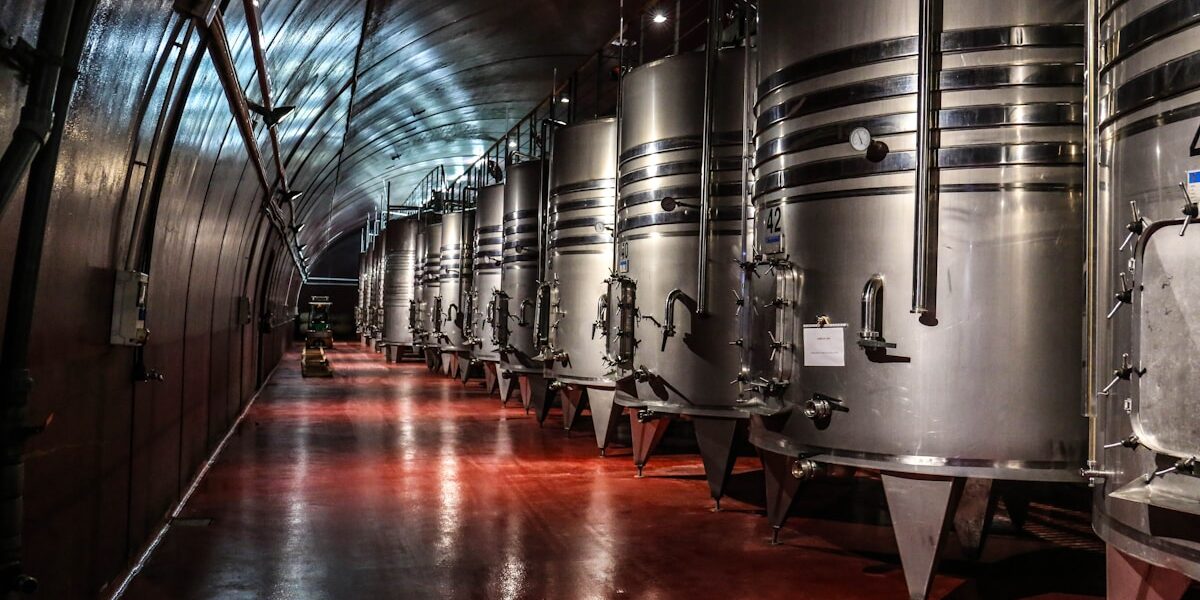
Mendoza gets talked about so often in wine circles that I almost skipped it when planning a South America trip — it felt like the obvious choice, the tourist move. I’m glad I didn’t listen to that impulse. The place is genuinely striking. You land at an airport surrounded by flat scrubland, then drive into the city and realize you’re at nearly 2,500 feet above sea level, with the Andes rising to the west in a way that doesn’t feel real until you’ve been staring at them for a while. The scale of those mountains is something photographs don’t capture.
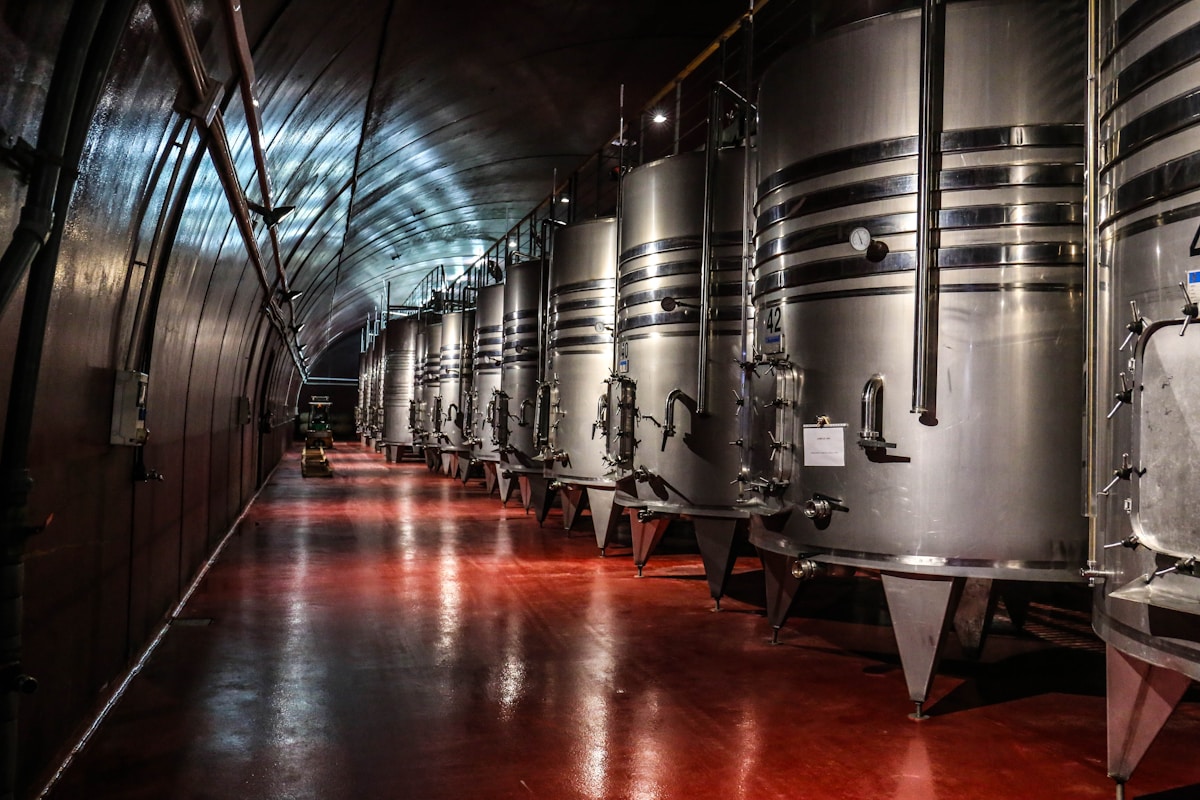
Why Mendoza Matters for Wine
Mendoza produces around 70% of Argentina’s wine, and Argentina is consistently one of the world’s top wine-producing countries. The climate is ideal for viticulture in ways that take a moment to appreciate: very little rain (maybe 8-9 inches annually), abundant sunshine, warm days and cool nights at altitude, and the Andean snowmelt that feeds the irrigation canals running through the vineyards. Phylloxera, the root louse that devastated European vineyards in the 19th century, never established itself seriously here — so many Mendoza vines grow on their own rootstock, which is increasingly rare in the world.
Malbec is the reason most people know Mendoza. The grape arrived from southwestern France, where it was a minor blending variety, and found in Mendoza a climate that suited it better than anywhere it had come from. Argentine Malbec from Mendoza is a different wine from French Malbec — fuller, richer, with darker fruit and more concentration. The altitude (vineyards here range from 2,000 to over 5,000 feet) provides the UV intensity and temperature variation that produce complex flavors and preserve the acidity that keeps the wine from being flat.
The Main Wine Regions Within Mendoza
Luján de Cuyo is often called Mendoza’s “first zone” — the classic Malbec territory where many of the most famous estates are concentrated. The soils here are alluvial, the vines old, and the wines tend to have more structure and complexity than the simpler bottlings you’d find at lower price points. Maipú sits adjacent, also known for Malbec but with some excellent Bonarda (an Italian variety that’s Argentina’s second most-planted red grape).
The Uco Valley is where things have gotten most interesting in the last fifteen to twenty years. Higher altitude (3,000-5,000 feet), cooler temperatures, and a range of different soils have attracted investment and experimentation. Chardonnay, Cabernet Franc, and Pinot Noir are all doing interesting things there alongside Malbec. The wines from Uco tend to be more precise and less overtly opulent than the classic Luján de Cuyo style.
What to Drink and Where to Find It
Achaval Ferrer, Catena Zapata, Zuccardi, Clos de los Siete, and Clos Apalta are among the names worth knowing at the upper end. Catena Zapata’s regular Malbec is one of the most consistent value propositions in South American wine. Zuccardi Valle de Uco has been producing exceptional work from the Uco Valley and was named the world’s best winery for several consecutive years in the early 2020s. At more accessible prices, Kaiken, Clos de los Siete (a blend, technically), and Alamos offer genuine quality.
Visiting Mendoza
The city of Mendoza itself has a pleasant, slightly low-key character — tree-lined streets, good restaurants, some interesting architecture. The wine country starts almost immediately outside the city. Most people base themselves in Mendoza city or Luján de Cuyo and do day trips to wineries, either self-guided by bicycle in the flatter areas or by car in the Uco Valley. The local cuisine leans heavily on grilled meat (asado) which pairs, unsurprisingly, extremely well with the local Malbec. The empanadas in Mendoza are also notably good — the local version uses a thicker pastry and a beef filling with spicing different from Buenos Aires versions.
Best time to visit: harvest season (March-April) is when the energy is highest and you can see actual work happening in the vineyards. Spring (October-November) is also lovely — less crowded, good weather, green vines. August is ski season for the Andes resorts nearby, which adds a different dimension if that’s your thing. Midsummer (January-February) is very hot.
Related Articles
- Discover the Best of Mendoza: Wine, Andes, and Charm
- How Long Will Your Opened Wine Stay Fresh?
- Perfect Pairing: Wine and Cheese Delights Await
Mendoza anchors Argentina’s industry; compare the country’s latest OIV volume in our global wine-production ranking.


Stay in the loop
Get the latest winemaker's friend updates delivered to your inbox.